
 Uncategorized
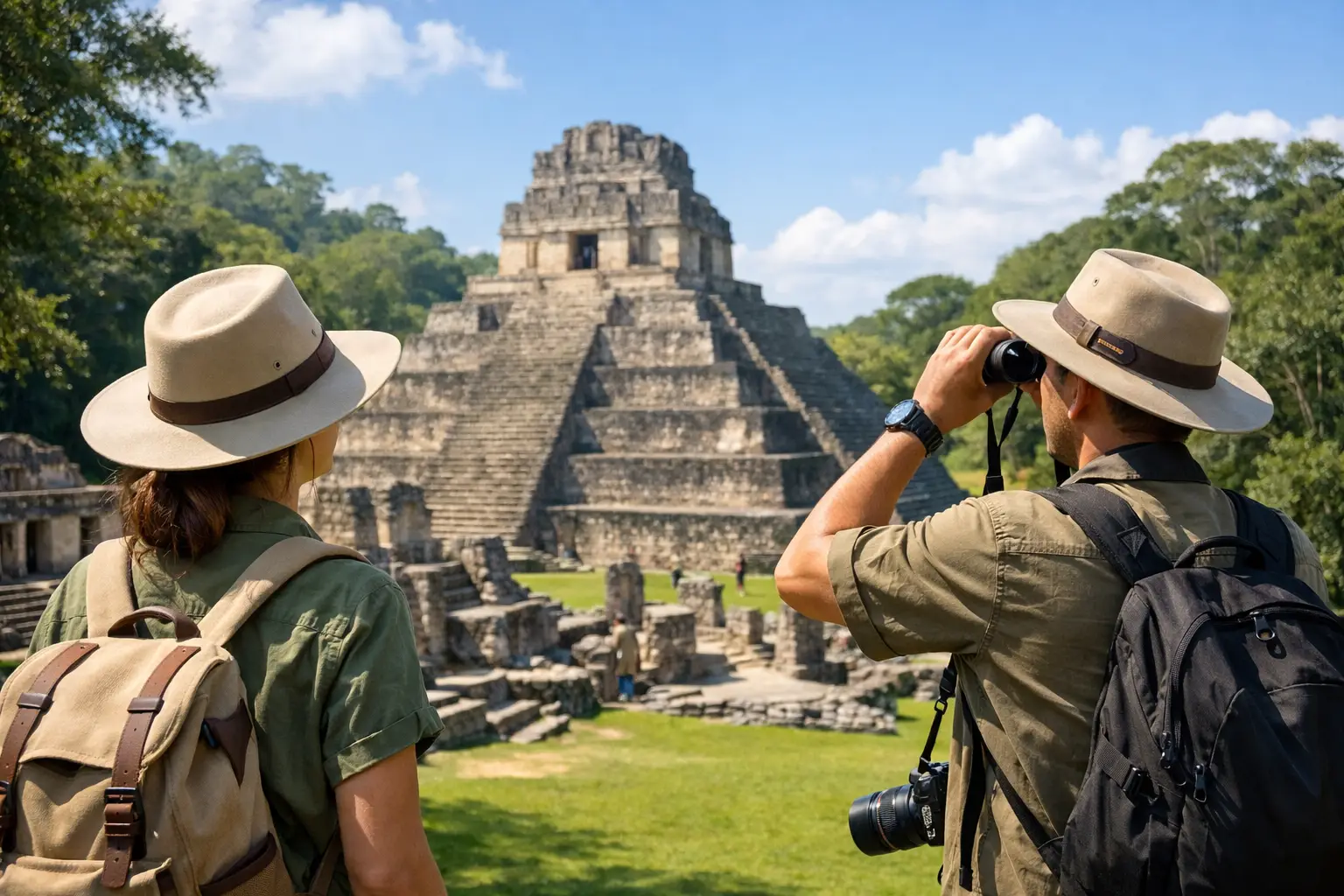
The first thing most travelers notice at Maya sites is the silence. Not empty silence – jungle silence. Birds calling overhead, wind moving through trees, and stone structures rising out of the landscape with a kind of calm that asks you to slow down. If you are wondering how to explore Maya sites in a way that feels meaningful instead of rushed, the answer starts there. Slow down, pay attention, and let the place speak before you try to check it off a list.
In Belize, Maya sites are not just old stones in the forest. They are part of a living cultural story, and the best visits balance curiosity, respect, and practical planning. A good day at a ruin is not only about what you see. It is also about how you move through the site, who guides you, what you understand, and how much space you give yourself to experience it.
How to Explore Maya Sites with the Right Mindset
A lot of visitors arrive expecting a photo stop. That usually changes within minutes. Maya sites carry a different kind of presence than a museum or a city landmark. They sit in the middle of jungle terrain, often with broad plazas, ceremonial spaces, carved stone, and elevated temples that still shape the land around them.
The best approach is to treat the visit as part history lesson, part nature experience, and part cultural encounter. That matters because the setting is inseparable from the site itself. You are not walking through an isolated monument. You are moving through the same environment that shaped daily life, trade, ceremony, and survival for generations.
That is also why guided exploration tends to be far more rewarding than walking through on your own. A temple can look impressive from a distance, but a knowledgeable guide can explain why it was built in that position, how a plaza functioned, what the carvings suggest, and where the site fits into the wider Maya world. Without that context, many travelers leave with pictures but not much understanding.
Choose the Site Based on the Experience You Want
Not every Maya site feels the same, and that is where expectations matter. Some are known for dramatic architecture and open views. Others feel more intimate, with jungle trails and fewer people around. Some are easier for families or casual explorers, while others are better for travelers who do not mind heat, uneven ground, and a more active day.
If you want a site that feels accessible and visually striking, you may prefer a location with open plazas and shorter walking distances. If you want something quieter and more immersive, a less crowded inland site can offer a deeper sense of place. Neither option is automatically better. It depends on whether you care most about convenience, physical challenge, archaeology, scenery, or privacy.
This is where local advice really helps. A site that sounds ideal online may not fit your group once weather, road conditions, and energy level are taken into account. Families with young kids often enjoy a different pace than experienced adventure travelers. Couples looking for a private cultural day may want something very different from cruise visitors trying to fit in a quick inland outing.
Timing Changes Everything
One of the simplest ways to improve a ruin visit is to go early. The light is better, the temperature is easier, and the site usually feels calmer. By midday, heat can drain your energy fast, especially if you are climbing steps or walking exposed areas. Early visits also tend to create a more personal atmosphere, which matters when you are standing in a ceremonial center and trying to imagine the people who once gathered there.
Season matters too. In the dry season, trails are generally easier and travel feels more predictable. In the green season, the jungle is lush and beautiful, but conditions can be muddier and weather can shift quickly. Neither season is wrong. The trade-off is comfort versus a fuller, greener landscape.
If you are planning inland activities beyond the ruins, timing becomes even more important. A Maya site pairs well with cave tubing, jungle hiking, or cave kayaking, but only if the day is paced properly. Too much packed into one itinerary can flatten the experience. The better choice is often fewer stops with more time at each one.
Dress for the Jungle, Not the Brochure
People often picture archaeological sites as open-air historical parks. In Belize, many are woven into real jungle conditions. That means heat, humidity, insects, uneven paths, and occasional mud. What you wear has a direct effect on how much you enjoy the day.
Closed-toe shoes with good grip are the safest choice. Sandals may be fine at the beach, but stone steps, roots, and dirt trails are another story. Light, breathable clothing works best, and many travelers prefer sleeves for sun and bug protection. A hat helps in open areas, and water is not optional.
It is smart to travel light, but not too light. A small day bag with water, sunscreen, insect repellent, and a phone or camera is usually enough. If rain is possible, a simple rain layer can save the day. The goal is comfort without carrying so much that you are distracted from the site itself.
Respect the Site While You Explore
If you want to know how to explore Maya sites well, respect is the standard that matters most. These places are culturally important, archaeologically fragile, and in many cases spiritually significant. A better visit starts with the understanding that access is a privilege.
That means staying on marked paths where required, following site rules, and not climbing where climbing is prohibited. It also means not touching carvings, removing anything, or treating structures like photo props. A quick picture is fine. Treating a sacred place like a playground is not.
Respect also applies to pace and behavior. Loud music, shouting across plazas, and careless movement can change the feeling of a place for everyone around you. The quieter you are, the more you notice. You start hearing birds, wind, and the small sounds that make the landscape feel alive.
Why a Local Guide Makes the Visit Better
A self-guided walk can give you scenery. A strong local guide gives you perspective. That difference is not small. At many Maya sites, what looks simple on the surface is tied to trade routes, astronomy, royal lineage, warfare, agriculture, or ceremonial life.
A guide also helps you read the landscape, not just the structures. You begin to understand why the site was built where it was, how water and elevation mattered, and how jungle growth has both hidden and protected the ruins over time. That local interpretation turns a visit from passive sightseeing into real understanding.
There is also the practical side. Inland travel in Belize often works best with someone who knows the roads, weather patterns, entry procedures, and pace that fits your group. If you prefer a private, low-crowd experience, that kind of guidance can make the day feel smooth and personal without feeling scripted. Belize Inland Tours is one option travelers consider when they want that quieter, guide-led approach.
How to Explore Maya Sites Without Rushing the Experience
The biggest mistake people make is trying to fit ruins into a schedule that is too tight. Maya sites are best explored with room to pause. Stand in the plaza for a moment. Look at how the structures face each other. Notice how the jungle presses close to the edges. Ask questions. Let your guide explain what daily life may have looked like there.
Photos matter, but they should not be the whole visit. Some of the best moments happen when you put the camera down and simply take in the scale of the site. A staircase, a carved monument, a broad courtyard – these details land differently when you are fully present.
If you are traveling with family or a small group, build in flexibility. Kids may need breaks. Older travelers may want a slower pace. Adventure-minded visitors may want a more active route or a paired cave experience afterward. Good planning leaves room for that rather than forcing everyone through the same rhythm.
What Makes a Maya Site Visit Memorable
The sites that stay with people are rarely just the biggest ones. It is usually the feeling they remember – the walk through the trees, the first view of a temple above the canopy line, the story behind a carved stone, the sense that this place still belongs to the land around it.
That is why the best ruin visits in Belize feel grounded, not staged. They are not about rushing from one viewpoint to the next. They are about connection – to history, to landscape, and to the people who know how to interpret both with care.
If you give yourself enough time, go with someone who knows the place, and approach the site with respect, a Maya ruin becomes more than a stop on your itinerary. It becomes one of those days in Belize that keeps returning to you long after the trip is over.

