

 Uncategorized
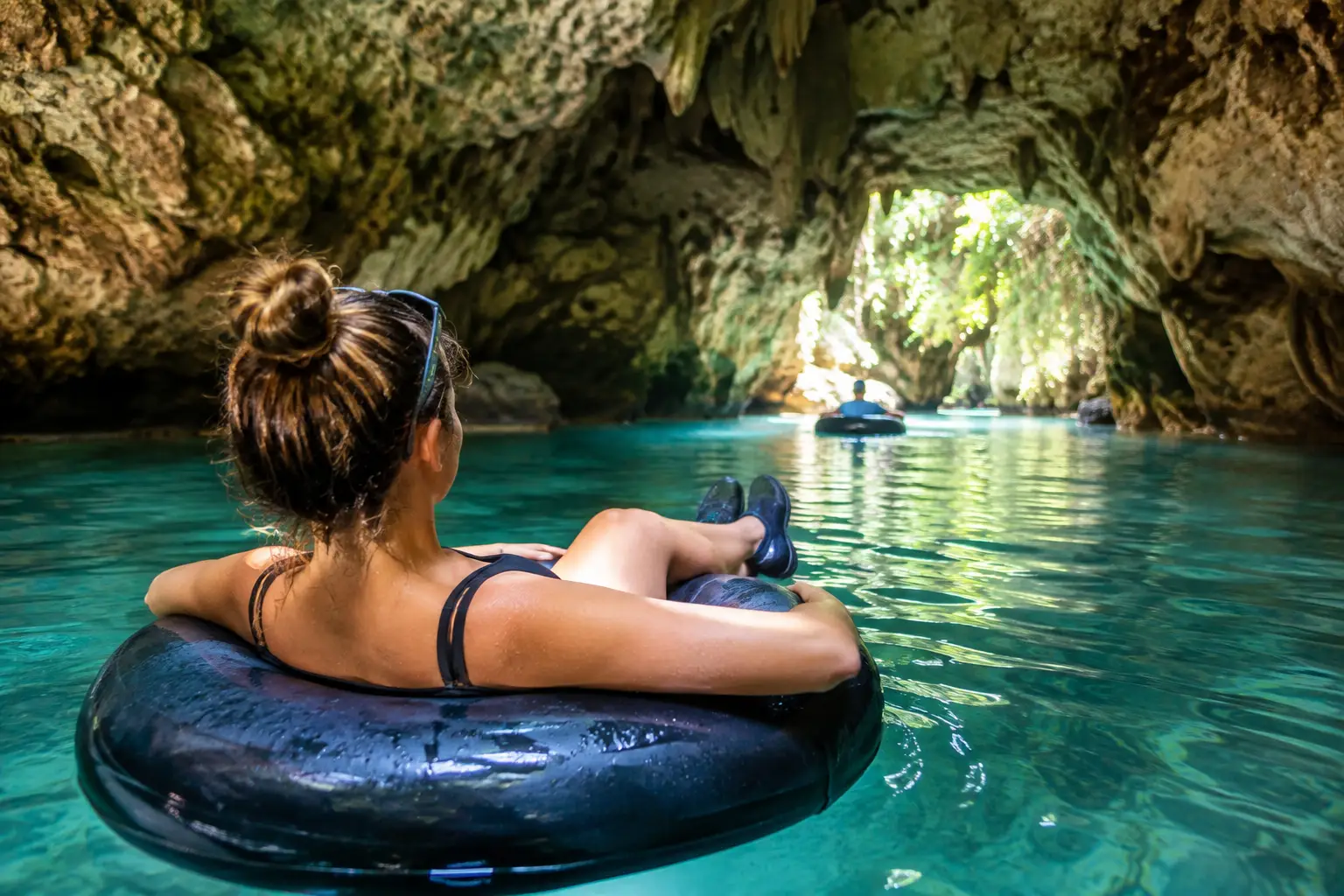
The first change is the temperature. After walking beneath the warm, green canopy of Belize’s rainforest, you step into cool water, settle into your tube, and let the current carry you toward the dark limestone entrance ahead. Cave tubing is not a thrill ride built around speed. It is a slower, more atmospheric way to experience Belize’s jungle, geology, and ancient Maya landscape from inside the river itself.
For travelers who want more than a quick stop between resort activities, cave tubing offers a rare kind of quiet. The jungle is still close enough to hear outside the cave. Then the daylight narrows behind you, the ceiling rises above you, and your guide begins pointing out the formations, passages, and stories that give the underground world its character.
What Cave Tubing in Belize Is Really Like
Cave tubing combines a guided walk through the forest with a float along a river that passes through limestone cave systems. You wear a life jacket and helmet, then sit in a sturdy inner tube while your guide leads the group through calm sections of water and, depending on conditions, gentle current.
The experience is often described as relaxing, but that word can undersell it. Floating through a cave creates a sense of scale that is hard to find anywhere else. Light reflects off the water onto walls shaped over thousands of years. Stalactites hang from the ceiling. In places, the chamber opens wide enough that the darkness seems to continue beyond the reach of your headlamp.
This is also a living landscape, not a theme-park attraction. Water levels, current, and route conditions can change with the weather. A responsible guide reads those conditions, adjusts the pace, and explains what is safe and appropriate for the day. That local judgment matters as much as the equipment.
Why a Private Cave Tubing Experience Feels Different
Caves are naturally more powerful when there is room to listen. On a crowded river, travelers can spend much of the float following a long line of tubes, waiting for groups to move ahead, or trying to hear a guide over the noise. A private or small-group outing changes the rhythm.
With fewer people, there is time to ask questions, pause where the scenery is especially striking, and move at a comfortable pace. Couples can share the moment without feeling swept along by a large excursion. Families can take their time getting settled, while guides can give children extra reassurance before entering the water.
At Belize Inland Tours, the focus is on personal, guided exploration rather than moving guests through a standard high-volume route. That approach makes space for the details that often become the best part of the day: a bird call along the trail, a lesson about limestone formation, or the first glimpse of daylight after a long, cool passage underground.
It Is Adventure, but Not a Test of Endurance
Cave tubing suits many travelers because it does not require advanced outdoor skills. You do not need to be an experienced swimmer to participate when proper flotation gear is used and guides are present. You should, however, be comfortable being in water, following instructions, and walking on natural terrain.
The jungle approach can be uneven, muddy after rain, or warm and humid. The water can feel chilly at first. Getting in and out of a tube takes a bit of balance. These are manageable parts of the adventure, but they are worth understanding before you go.
For travelers seeking more physical challenge, cave kayaking, jungle hiking, or a combined inland day may be a better fit. For those who want an immersive experience without a demanding climb or technical skill requirement, tubing is often the right middle ground.
The Landscape Beneath the Jungle
Belize’s caves are part of a much larger limestone environment shaped by water over immense periods of time. Rainwater moves through cracks in the rock, slowly widening them into channels, caverns, and underground rivers. The formations you see inside are the result of mineral-rich water dripping and depositing material little by little.
But geology is only part of the story. Caves held deep significance for the ancient Maya, who saw them as sacred places connected to the underworld and the spiritual forces beneath the earth. Not every cave tubing route includes archaeological remains, and guides should never treat a cave as a stage set for ancient legends. Still, understanding the Maya relationship with caves gives the experience greater depth.
As you float through the darkness, it is easier to understand why these spaces inspired reverence. The sound changes. The air cools. Daylight disappears. A good guide brings that context to life without rushing or overdramatizing it.
What to Wear and Bring
The goal is simple: wear items that can get wet, stay comfortable in the jungle heat, and protect you from the sun before and after the cave. Secure footwear is especially helpful for the walk to the river and the uneven ground near entry points.
Bring a swimsuit or quick-drying clothing, water-friendly shoes with secure straps, sunscreen and insect repellent for the outdoor portions of the day, a towel and dry clothes for afterward, and a waterproof camera or phone case if you want photos. Leave valuables behind when possible. Cave environments are wet, dark, and not the place to worry about an unsecured item.
Avoid loose flip-flops, heavy cotton clothing, or anything you would hate to lose in the water. If you wear glasses, use a retainer. If you have a medical condition, mobility concern, or concern about being in enclosed spaces, share it before the tour. The right operator will answer honestly about whether the route is suitable.
Safety Depends on Preparation and Good Decisions
The best cave tubing trips feel easy because the preparation happens before you enter the water. Licensed guides assess conditions, provide fitted safety gear, explain how to sit in the tube, and make sure every guest knows what to expect. They also know when weather or water conditions call for a different plan.
Listen closely during the safety briefing, even if you have tubed before. Each river and cave system has its own conditions. Keep your helmet and life jacket on as instructed, stay with your guide, and avoid touching cave formations. Those formations took centuries to develop, and even small contact can cause damage.
Travelers sometimes assume that a cave tour is automatically unsafe because it takes place underground. In reality, risk is managed through route knowledge, weather awareness, proper gear, and experienced leadership. The greater concern is choosing an operator that treats the outing casually. Ask about guide experience, group size, equipment, and what happens if conditions change.
When Cave Tubing Is at Its Best
Belize can be visited year-round, but the character of a cave tubing day shifts with the season. During drier periods, trails may be firmer and water can be lower and calmer. During the wetter months, the rainforest is especially lush, though rain and river levels require closer attention. Neither season is automatically better. It depends on whether you prioritize predictable trail conditions or a greener, wetter jungle atmosphere.
Morning departures can offer a quieter feel and help avoid the strongest afternoon heat. Private scheduling may also give you more flexibility to pair cave tubing with a nearby nature, cultural, or Maya site experience without feeling rushed.
Let the Cave Set the Pace
The most memorable cave tubing days are not measured by how many stops you fit into an itinerary. They are measured by the moment you stop talking, lean back in your tube, and look up at a ceiling shaped by water long before any road reached this part of Belize.
Choose a guide who knows the river, respects the cave, and gives you enough space to experience it for yourself. The jungle will take care of the rest.

