

 Uncategorized
A flash of turquoise slips through the canopy, a distant call carries across a limestone ridge, and suddenly everyone on the trail stops moving. That is tropical bird spotting in Belize at its best: not a checklist rushed between crowded stops, but a quiet encounter shaped by patience, habitat, and knowing where to look.
Belize is small enough to explore with intention and wild enough to keep every morning interesting. In a single inland day, forest edges can give way to open clearings, riverside vegetation, and shaded jungle trails. Each setting holds different possibilities, from toucans and motmots to woodpeckers, hummingbirds, flycatchers, and raptors circling above the trees.
Why Belize Is Made for Birders Who Want More Than a List
Belize sits within the Mesoamerican biological corridor, where northern and Central American species overlap in a landscape of broadleaf forest, pine savanna, wetlands, rivers, and foothills. That variety matters more than a big species number alone. It means a morning walk can reveal birds at several levels of the forest, from ground-dwelling tinamous and chachalacas to canopy-dwelling toucans and parrots.
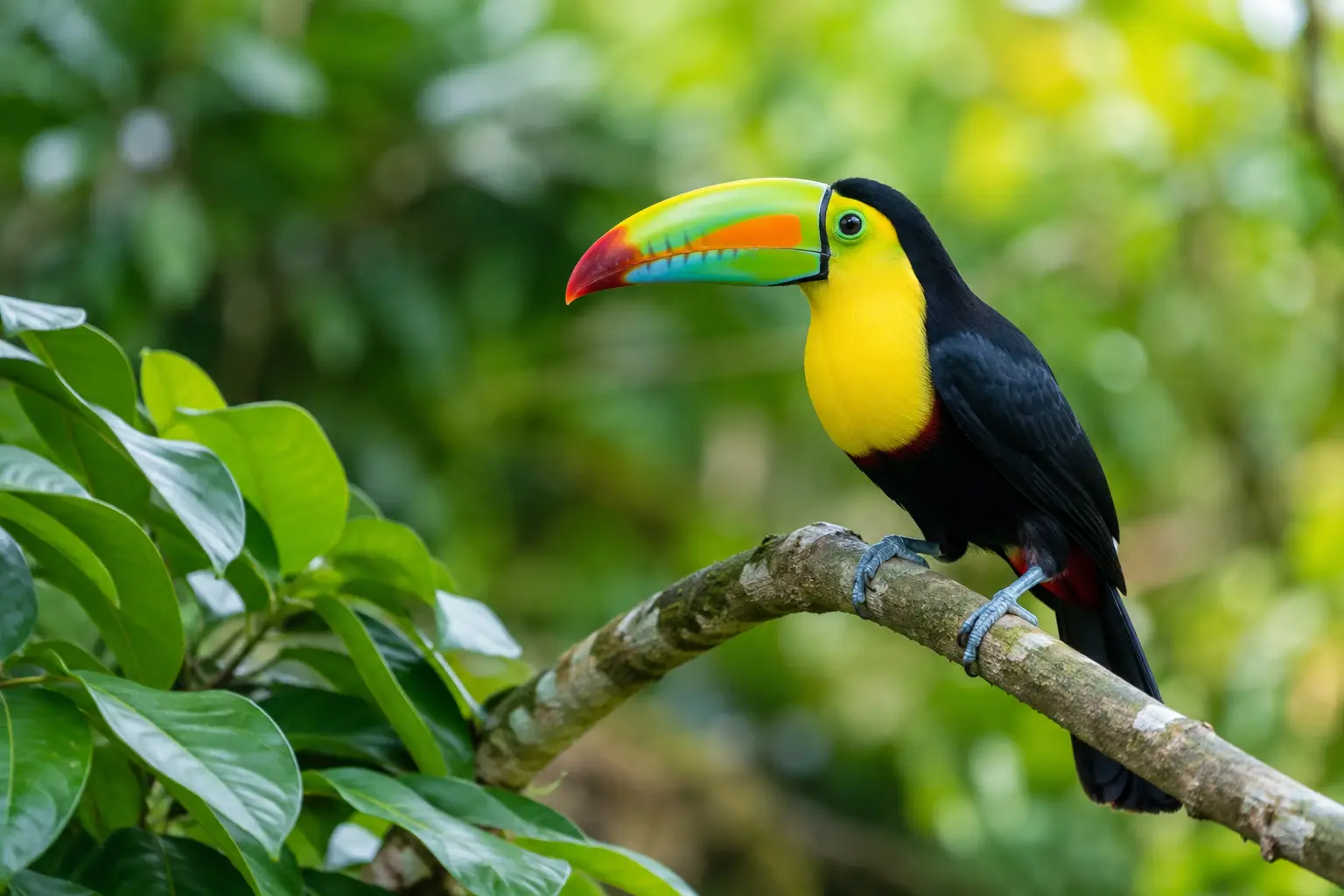
For many travelers, the real appeal is the setting. Birding here can happen beside a jungle cave entrance, along a quiet park trail, or during a pause on the way to a Maya site. The birds are part of a larger inland experience rather than something separated from the place. A keel-billed toucan calling from a fruiting tree says as much about the forest as the trail beneath your feet.
Crowds change the experience. Loud groups, quick stops, and constant movement can push birds farther back into cover, especially near popular access points. A private outing gives your guide room to slow down, listen, and adjust the route when activity is strong in one area. Some of the best sightings begin because there is no pressure to hurry to the next stop.
Tropical Bird Spotting Starts With Habitat, Not Luck
A good guide does not simply scan every tree the same way. They read the habitat. Birds follow food, water, shelter, nesting space, and seasonal conditions, so the surroundings often tell you where to focus first.
Forest edges and clearings
Forest edges are productive because light reaches the vegetation and encourages flowers, fruit, and insects. This is a strong place to watch for hummingbirds, orioles, kiskadees, and social flycatchers. Motmots may sit quietly on a low branch near a trail, while toucans and aracaris can appear in taller fruiting trees.
Edges are also easier for newer birders. Sightlines are more open than deep jungle, and your guide can help you learn the shape, flight style, and behavior of a bird before it disappears. That first clear look makes later sightings easier to recognize.
Mature broadleaf forest
The interior of the jungle asks for a different pace. Light is lower, calls can be hard to place, and many birds stay high above the trail. Here, listening is often more useful than looking. A repeated whistle, a low knocking sound, or the wingbeats of a startled bird can direct attention before your eyes catch up.
This habitat rewards patience. You may spend several minutes at one bend in the trail while a mixed feeding flock moves through the canopy. Small birds become easier to notice when several species are feeding together, and a guide can point out movement that most visitors would walk past.
Waterways and damp lowlands
Rivers, ponds, and wet areas create another birding world. Herons, kingfishers, swallows, and water-associated species may be active around open water, while the nearby vegetation attracts insect-eaters and songbirds. Conditions matter here. After heavy rain, trails may be muddier and access may change, but the fresh water and insect activity can make for lively bird movement.
The right habitat depends on what you hope to see. A traveler hoping for colorful canopy birds may favor broadleaf forest and fruiting trees. Someone interested in kingfishers or wetland birds will benefit from a route that includes water. There is no single perfect location for every species, which is why local route planning matters.
The Best Time of Day to Look Up
Early morning is usually the most productive window for tropical bird spotting. The forest is cooler, birds are actively feeding, and calls carry before the day grows warmer. It is also a more comfortable time to walk, particularly on exposed trails or in humid conditions.
Late afternoon can be rewarding as well, especially when birds return to feeding areas before dusk. Midday is not a lost cause, but activity often slows in the heat. That time may be better used for a cave visit, a swim, lunch, or a cultural stop, then returning to birding when temperatures soften.
Season changes the picture. Belize receives migratory birds from North America during the fall and winter months, adding variety to resident species. The greener rainy season can bring abundant food and active breeding behavior, though showers, humidity, and trail conditions require flexibility. Dry-season days may make walking easier and visibility better in some areas. The best season depends on whether your priority is comfort, migratory species, nesting activity, or a particular bird on your wish list.
How to See More Without Disturbing the Forest
The most memorable sightings usually come from being less noticeable. Wear neutral colors when possible, keep conversations low, and let your guide set the pace. Birds often return to normal behavior when people stop trying to get closer.
Binoculars make a major difference, but they do not need to be complicated. Hold them steady, find the bird first with your eyes, then raise the binoculars without looking down. Your guide can help with the simple but valuable skill of describing a bird’s location using a branch, trunk, leaf cluster, or clock direction.
Photography brings a trade-off. A long lens can create beautiful images, but chasing a photo can mean missing the moment and disturbing the bird. Avoid playback calls, never approach nests, and do not push through vegetation for a better angle. A distant observation is still a real encounter, and it leaves the habitat undisturbed for the next visitor.
Bring water, insect repellent, sun protection, and closed-toe walking shoes. On jungle trails, watch your footing instead of staring upward every second. Belize’s inland environments are welcoming, but roots, wet rocks, uneven ground, and changing weather deserve attention. A skilled guide manages the route and conditions so you can stay present with the experience.
What a Local Guide Adds to the Experience
A field guide app can identify a possible call after the fact. A local guide helps you understand what that call means in the moment. They recognize seasonal patterns, know which trees tend to attract fruit-eating birds, and can distinguish a bird’s alarm call from its ordinary contact call.
They also add the stories around the sighting. A bird is not only a name on a list. It may be tied to a forest fruiting cycle, a traditional local observation, or a change in the weather. That context gives the morning more depth, especially for families and travelers who enjoy nature but do not consider themselves dedicated birders.
At Belize Inland Tours, private inland outings can be shaped around the group rather than a fixed bus schedule. That means a keen birder can linger at an active forest edge, while a mixed group can balance birdwatching with caves, hiking, and Maya history. The goal is not to turn every traveler into a specialist. It is to create the time and quiet needed for the forest to reveal itself.
Let the Sightings Come to You
The temptation in a new country is to cover as much ground as possible. Belize often rewards the opposite approach. Choose a few good habitats, begin early, and give each one enough time to become familiar. Notice the changing light, learn a few calls, and allow pauses between sightings.
A toucan may be the bird you remember most, but it may be the small details that stay with you: the sudden hush before rain, a motmot perched in shade, or the sound of wings passing overhead where the jungle meets open sky. Give those moments room, and tropical bird spotting becomes part of how you experience Belize itself.

