

 Uncategorized
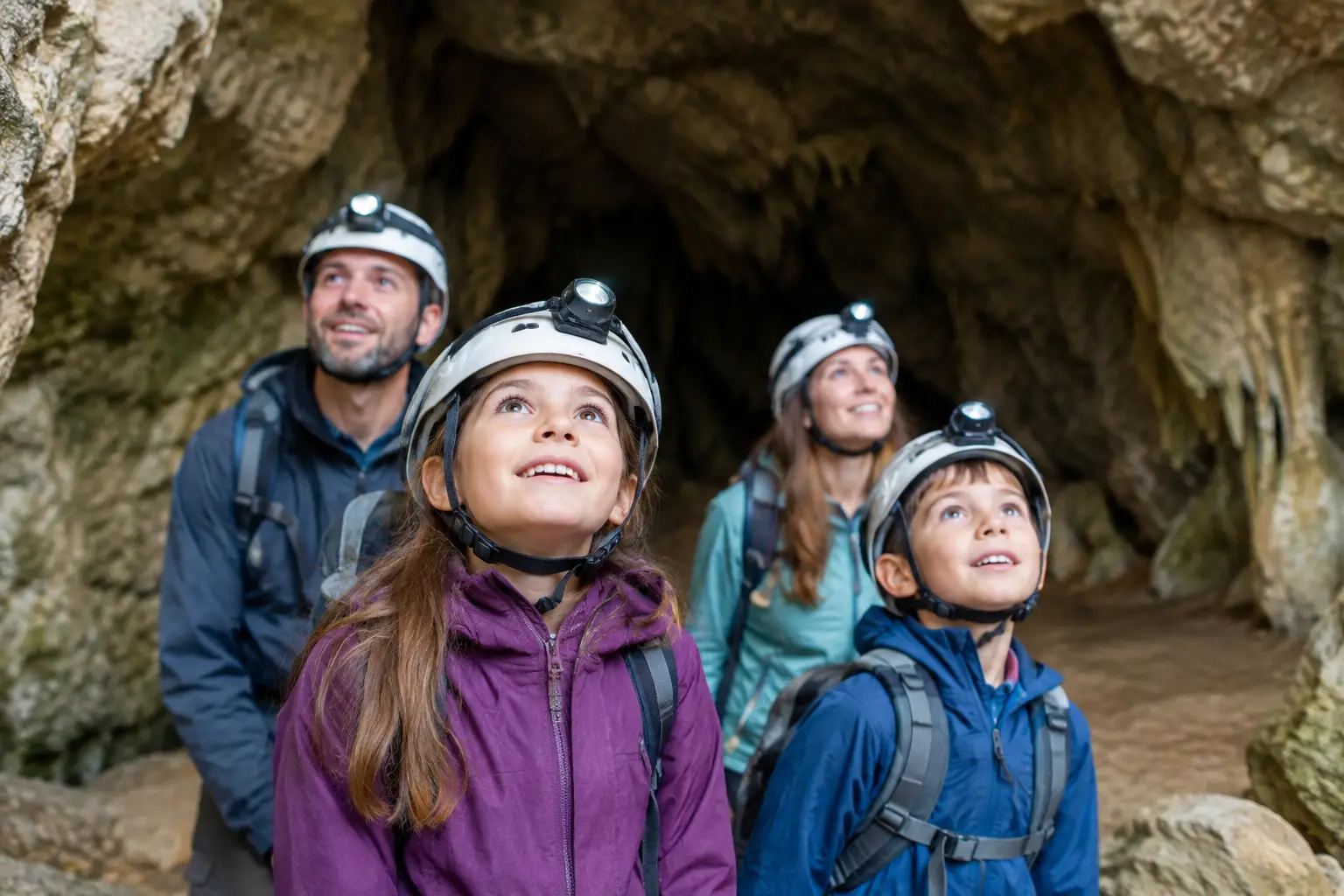
A child’s first cave can be the moment Belize becomes more than a beach destination. The jungle grows quieter at the entrance, cool air moves across the water, and a guide’s light reveals limestone shaped over thousands of years. But are caves safe for children? With the right cave, suitable conditions, proper equipment, and an attentive local guide, they can be a rewarding family adventure. The key is choosing an experience that fits your child, rather than asking your child to fit an experience that is too demanding.
Caves are natural environments, not theme-park attractions. Paths can be uneven, water levels can change, and darkness can feel exciting to one child and overwhelming to another. A thoughtful family cave tour treats those realities seriously while still leaving room for wonder, stories, and plenty of fun.
Are Caves Safe for Children on a Guided Tour?
A guided cave outing is generally much safer than attempting to explore independently. Experienced guides know the route, watch weather patterns, assess water conditions, and adjust the pace for the group. They also know where footing changes, where children need an extra hand, and when a route should not be entered at all.
In Belize, that local knowledge matters. Many caves are connected to rivers and jungle drainage systems. A sunny morning does not always tell the whole story, especially if rain has fallen farther inland. A responsible operator monitors conditions and will change plans, delay an entry, or choose another activity if water or weather makes the trip unsuitable. That is good judgment, not a ruined day.
For families, private guiding adds another layer of comfort. There is no pressure to keep up with a large group or rush through a stop your child finds fascinating. A guide can slow down, explain what is ahead, and help parents decide whether to continue, take a break, or turn back. Belize Inland Tours designs private inland experiences around that kind of personal attention, especially for travelers who prefer a quieter route and a pace that feels right for their family.
What Makes a Cave Trip Family-Friendly?
Not every cave experience is appropriate for every age. A gentle cave float or a short walk into a spacious, well-known section of cave may work well for many school-age children. A strenuous route involving long swimming sections, tight passages, steep scrambling, or extended darkness may be better for older teens and confident adults.
The best family option usually has a clear route, calm or closely managed water, reliable safety gear, and a guide who is comfortable leading children. It should also have realistic timing. Young children can be enthusiastic for thirty minutes and tired twenty minutes later, particularly after travel, heat, or an early morning departure.
Before booking, parents should ask how long the activity lasts, how much walking or floating is involved, whether children must swim independently, and if there are age, height, or weight requirements. These are not awkward questions. They are the questions that help a guide recommend the right outing.
Water confidence matters more than bravery
For cave tubing or cave kayaking, a child does not need to be a strong competitive swimmer, but they should be comfortable wearing a life jacket and being near water. They should be able to listen to simple instructions, stay with the group, and remain calm if a splash or a small current surprises them.
A properly fitted personal flotation device is essential. Children should wear it throughout the water portion of the trip, not carry it or loosen it once the journey begins. Guides should check the fit before entering the water, and parents should feel comfortable asking for a different size if anything seems loose, bulky, or uncomfortable.
Water-based cave trips also depend on current conditions. During periods of heavy rain, a cave river may be too high, too fast, or too muddy for family travel. The safest choice is always to respect the guide’s call. Belize has many ways to experience the jungle and Maya landscape, so a weather adjustment can still lead to an excellent day.
Darkness is part of the experience
Caves are dark in a way that children rarely experience at home. Headlamps and flashlights make it possible to move safely, but they do not make a cave feel like daylight. Some children love the mystery. Others may worry about shadows, dripping water, bats, or the echo of their own voices.
It helps to prepare them honestly. Tell them the cave will be dark, cool, and sometimes wet. Explain that they will stay close to the guide and that they can speak up if they need a pause. Avoid promising that there is “nothing to be scared of.” A better message is that new places can feel big, and the family will explore them together with people who know the route.
Most cave-dwelling bats avoid people and are not there to interact with visitors. Children should never touch wildlife, reach into cracks, or wander away from the marked route. Respecting the cave protects both the family and the fragile habitat.
How Parents Can Prepare Children for a Cave Adventure
Preparation is simple, but it changes the experience. Start with clothing that can get wet and muddy. Quick-drying swimwear or lightweight active clothing is more comfortable than heavy cotton. Closed-toe water shoes or secure sandals with good grip are often preferable to flip-flops, which can slide off or offer little protection on rocky ground.
Bring a dry change of clothes for afterward, along with a towel and drinking water. In the jungle, insect repellent and sunscreen are useful before and after the cave portion, though sunscreen is not needed underground. A small snack can be helpful for children after an active outing, especially if lunch is not immediately available.
Parents should also prepare the child, not just the backpack. Describe the activity in a calm, positive way and let them know what they will be expected to do. They may need to walk carefully, sit still in a tube or kayak, hold a guide’s hand at certain points, and keep their light pointed forward. Clear expectations make children feel capable.
Avoid bringing valuables that cannot get wet. Phones, cameras, and loose items are easily dropped in water or on uneven ground. If photos matter, use a secure waterproof case and keep family safety ahead of capturing every moment.
When a Cave Tour May Not Be the Right Choice
Cave exploration is not automatically the best family activity simply because everyone else in the group wants to go. A child who has a strong fear of darkness, becomes distressed around water, has difficulty following safety instructions, or is recovering from illness may be happier on a jungle walk, wildlife outing, or Maya site visit.
Age alone is not a perfect guide. One confident eight-year-old may enjoy a gentle cave float, while another child of the same age may find it stressful. Consider temperament, stamina, water comfort, and the day’s weather. Be especially cautious with toddlers, children who cannot remain securely in a flotation device, or anyone with a medical condition that could be affected by exertion, cold water, or confined spaces.
Parents should also be upfront about concerns with the guide before the tour begins. A good guide would rather know that a child is nervous, cannot swim, or has an allergy than discover it midway through the route. That conversation allows the guide to offer practical support or recommend a better alternative.
Questions Worth Asking Before You Book
A family should know what the experience asks of each participant. Ask whether the cave route is walking, tubing, kayaking, swimming, or a combination. Confirm the expected duration, minimum age, gear provided, restroom access, and whether the route changes after rain.
It is also wise to ask how guides handle a child who wants to stop. On a well-planned family trip, there should be a clear answer. Sometimes the group can pause or use an easier exit. On other routes, participants need to finish a specific section before leaving. Knowing that in advance helps parents choose wisely.
Finally, ask about group size. Smaller private groups often make cave travel more comfortable for families because children can ask questions, move at a manageable pace, and receive closer attention on slippery or unfamiliar terrain.
The right cave experience gives children a story they will carry home: the cool river, the glow of a headlamp on ancient stone, the sound of water in the dark, and the quiet confidence of doing something new. Choose the route with care, listen to the guide, and let curiosity set the pace.
