

 Uncategorized
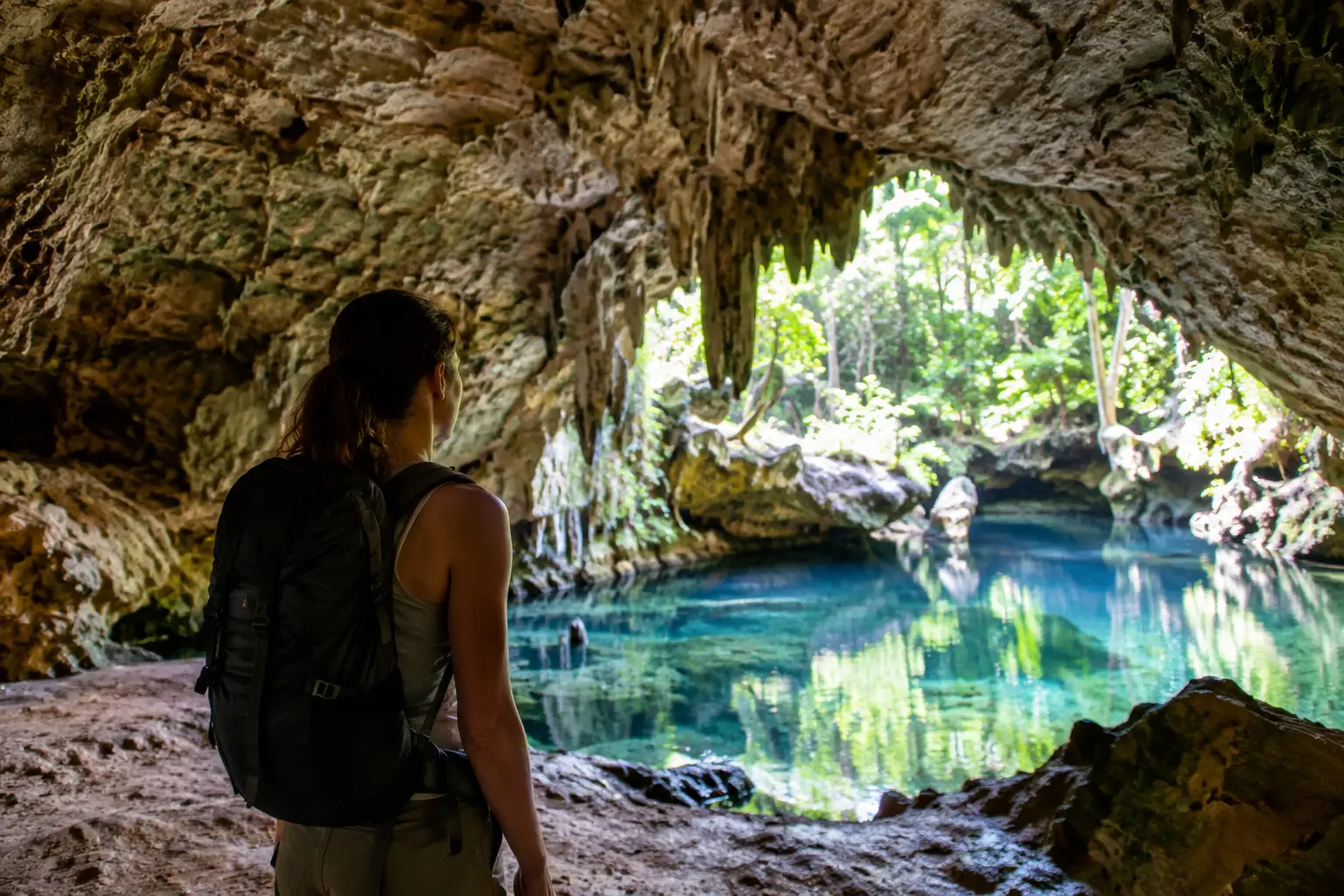
A Belize cave is not a theme-park tunnel with handrails and perfect lighting. It is a living natural place shaped by water, stone, weather, and time. That is exactly why travelers ask, are caves safe? The honest answer is that they can be very safe when the route, conditions, equipment, and guide are right for the group.
Cave exploration always carries some level of risk. Wet rocks can be slippery, river levels can change, and darkness makes simple terrain feel unfamiliar. But these are manageable conditions, not reasons to miss one of Belize’s most memorable inland experiences. A well-run guided tour replaces guesswork with local judgment, preparation, and a pace that lets you enjoy the setting.
Are Caves Safe for First-Time Visitors?
For most healthy travelers, a professionally guided cave experience is approachable, including for first-time visitors, families with age-appropriate children, and people who would rather have an adventure than an extreme test. The right cave matters. So does the activity.
Cave tubing, for example, is usually a relaxed way to experience a river cave, with a guide helping the group navigate the current and explaining the landscape along the way. Cave kayaking can be a little more active, while walking through a dry or partly wet cave may involve uneven ground, shallow water, stooping beneath low formations, or climbing over rocks. None of these experiences should be treated as identical.
Safety begins with matching the outing to your comfort level. A traveler who dislikes confined spaces may prefer a wide river cave with open sections rather than a narrow passage. Someone with a knee injury may be more comfortable tubing than hiking over uneven limestone. A good local guide will talk plainly about what the route involves before the tour starts, rather than pushing every guest toward the same experience.
What Makes a Belize Cave Tour Safe?
The strongest safety measure is not a helmet or a life jacket by itself. It is informed decision-making before and during the trip. Belize’s caves are part of a tropical landscape, where rainfall upstream can affect water levels even when the sky above you looks clear.
Experienced guides monitor conditions, understand the drainage areas around their routes, and know when a cave is unsuitable for entry. If weather or water conditions change, turning back or choosing another activity is the right call. That is not a disappointment or a failure of the day. It is what responsible guiding looks like.
Local knowledge matters more than a map
A map can show where a cave is located. It cannot tell you which rocks become slick after rain, where a current accelerates, which entrance is best in a particular season, or when a route should be avoided altogether. Those details come from regular experience in the landscape.
Local guides also understand how to move through caves with respect. Belize’s underground spaces can contain fragile formations, bats, archaeological traces, and evidence of Maya history. Staying on the proper route protects guests, but it also protects places that cannot be replaced once damaged.
Proper equipment has a purpose
The equipment for a cave tour should fit the activity, not just look adventurous in photos. A properly fitted personal flotation device is essential for water-based routes. Helmets protect against accidental contact with low ceilings or rock edges. Reliable lights help each person see where they place their feet, while secure footwear gives better traction than loose sandals.
Your guide should explain how to use the equipment and what to do if you become separated, lose footing, or feel uncomfortable. On a private tour, there is more room for those conversations and less pressure to keep pace with a large group moving on a fixed schedule.
Group size changes the experience
Large groups can make a cave feel rushed and noisy. They can also make it harder for a guide to notice when one person is anxious, cold, tired, or struggling on uneven terrain. Smaller private groups allow for clearer communication and a pace suited to the people actually on the tour.
That does not mean every small-group adventure is automatically safe, or that every larger tour is unsafe. It means personal attention is a real advantage in an environment where conditions and confidence levels vary. Belize Inland Tours builds its private inland experiences around that principle: attentive guiding, quieter routes, and time to experience the cave without being swept along by a crowd.
Cave Risks to Take Seriously
Being prepared means recognizing the risks without dramatizing them. The most common concerns are usually practical: slipping on wet limestone, becoming chilled during a long water activity, misjudging footing in low light, or feeling uneasy in an enclosed space.
Water conditions deserve special respect. Never enter a river cave during a flood warning, after heavy rainfall affecting the route, or when your guide says conditions are changing. Flash flooding is a serious hazard in cave systems, and responsible operators do not take chances with it. If an itinerary changes because of weather, listen to the people who know the local rivers and cave passages.
Claustrophobia is another real consideration. Many Belize cave experiences take place in broad chambers or along open river passages, but darkness can still feel intense. Tell your guide in advance if tight spaces, deep water, or darkness make you nervous. There may be an alternative route, extra reassurance, or a different inland activity that suits you better.
Wildlife generally does not pose a problem when caves are visited respectfully. You may see bats, insects, fish, or small aquatic life. Bats are a normal part of a healthy cave ecosystem, not a reason to panic. Avoid touching wildlife, do not shine lights directly at animals for long periods, and follow your guide’s instructions around sensitive areas.
How to Prepare for a Cave Adventure
You do not need to be an athlete to enjoy a Belize cave tour, but a little preparation makes the day more comfortable. Wear clothes you do not mind getting wet or muddy, choose footwear that stays secure on your feet, and bring a dry change of clothes for afterward. Hydrate before the tour, especially in Belize’s warm, humid climate.
Be honest about your swimming ability. Some water-based tours provide flotation devices and do not require strong swimming skills, but the guide still needs to know your comfort level. The same goes for medical conditions, recent injuries, pregnancy, or medications that may affect balance, stamina, or heat tolerance. Sharing this information is not embarrassing. It helps your guide make good decisions for you.
Before departing, ask what the route is like in clear terms. Will you walk on uneven surfaces? Are there low ceilings? How long will you be in the water? Is there a chance of swimming? Is there a restroom or changing area nearby? These questions help you choose an experience with confidence.
Avoid bringing valuables that cannot get wet, and do not rely on your phone as your only source of light or communication. Caves are wet, dark, and not a place for loose items. If you want photos, use equipment suited to the conditions and keep your attention on the guide’s instructions first.
When You Should Skip the Cave
The best guides will never make you feel guilty for deciding not to enter. Skip or reconsider a cave tour if you are dealing with a serious mobility limitation, severe claustrophobia, an illness that affects balance or breathing, or a fear of water that makes it hard to follow instructions calmly. It may also be wise to choose a different activity after heavy rain or when you simply do not feel well that morning.
Belize offers plenty of meaningful alternatives: jungle walks, bird watching, Maya sites, riverside stops, and open-air swimming areas can still give you a strong connection to the inland landscape. Adventure should stretch your comfort zone a little, not leave you feeling trapped in it.
A cave is safest when guests stay curious, speak up about their needs, and let local conditions set the plan. Choose a guide who is willing to slow down, explain the route, and change course when needed. Then you can step into the cool darkness with the right kind of confidence: alert, well prepared, and ready to experience a side of Belize that most travelers never see.
