
 Uncategorized
Belize trails rarely behave like manicured park paths. A morning route can begin firm beneath tall forest canopy, turn slick near a limestone rise, and finish with a shallow stream crossing after an afternoon shower. This guide to Belize trail conditions will help you prepare for what the inland landscape actually asks of you: attention, sensible gear, and a willingness to let the weather set the pace.
For many travelers, that variety is the point. Jungle hiking here is not about rushing toward a viewpoint. It is about moving through living forest, hearing birds before you see them, spotting leafcutter ants at work, and understanding why an experienced local guide sometimes chooses a quieter trail or changes the route altogether.
What Shapes Belize Trail Conditions?
Belize sits in a tropical climate, and trail conditions are influenced by rainfall, humidity, terrain, and the kind of forest you are entering. A trail near a cave system may have exposed limestone, loose rock, roots, and damp sections where water drains underground. A route through broadleaf jungle can be softer underfoot, with leaf litter hiding roots and uneven ground.
The country’s inland trails also change quickly because many pass through protected landscapes rather than heavily developed recreation areas. That is part of their appeal. You are walking through a real jungle environment, not a paved attraction. Conditions can be beautiful and manageable, but they reward travelers who arrive prepared rather than expecting a dry, level walking path.
Elevation is usually less demanding than in mountain destinations, yet short climbs can still feel substantial in heat and humidity. A modest uphill section on dry ground may be easy for an active traveler. Put that same climb after rain, with wet roots and warm air, and it becomes slower work. The right pace matters more than speed.
Belize Trail Conditions by Season
Dry season: Firmer ground, warmer days
Belize’s drier months generally run from late November through May. During this period, many jungle trails are firmer and easier to walk, especially after several days without rain. This is often a comfortable time for guests who are new to tropical hiking or traveling with family members who prefer more predictable footing.
Dry does not mean dusty everywhere. Dense forest holds moisture, and shaded areas around caves, streams, and sinkholes can remain slippery year-round. Limestone can be especially slick when it is damp, even if the rest of the trail feels dry. Good footwear still matters.
The trade-off is heat. Midday hiking can feel more demanding during the dry season, particularly on exposed sections or when the forest is still and humid. Early starts make a real difference, giving you cooler temperatures, stronger wildlife activity, and more time to enjoy the landscape without pushing through the hottest hours.
Green season: Mud, water, and a fuller forest
The wetter or green season usually runs from June through November, although rain patterns vary from year to year. This is when Belize’s jungle feels especially alive. Waterfalls and streams may run stronger, vegetation becomes intensely green, and the forest can seem louder with frogs, insects, and birdlife.
It also means trail surfaces can change fast. Rain may create muddy patches, standing water, and slippery roots. Low areas can stay wet long after a storm, while clay-rich soil can cling to shoes and make downhill sections more technical. Short rain showers are common, but prolonged rainfall can affect stream crossings or make certain routes unsuitable for the day.
That does not make the green season a poor time to hike. It simply favors a flexible mindset. A private guide can select terrain that fits your comfort level, avoid flood-prone areas, and adjust the outing when conditions call for a different plan. The reward is a more dramatic, water-rich version of Belize that many visitors never see.
The Surfaces You Will Meet Underfoot
A single inland hike may include packed earth, leaf litter, roots, limestone, gravel, creek beds, and mud. Each surface calls for slightly different awareness.
Roots are common in mature forest and are easy to miss beneath fallen leaves. Keep your eyes moving between the trail and the surrounding forest rather than staring only at the scenery. On limestone, place your feet carefully and avoid assuming that a broad rock is stable or dry. In muddy sections, shorter steps and a relaxed pace give you better balance than trying to power through.
Stream crossings deserve special care. Some are simple step-across crossings on low water days. Others may require wading, balancing on rocks, or taking an alternate route. Water levels can rise after rain, including rain that fell farther upstream. Never treat a crossing as routine just because it looked easy earlier in the day.
Cave-adjacent trails bring their own conditions. The ground near an entrance can be cooler, darker, and wetter than the forest outside. Inside a cave, rock can be uneven and surfaces may be polished by water over centuries. This is where proper guidance is about more than finding the way. It is about moving respectfully and safely through a sensitive natural environment.
What to Wear for Jungle Hiking in Belize
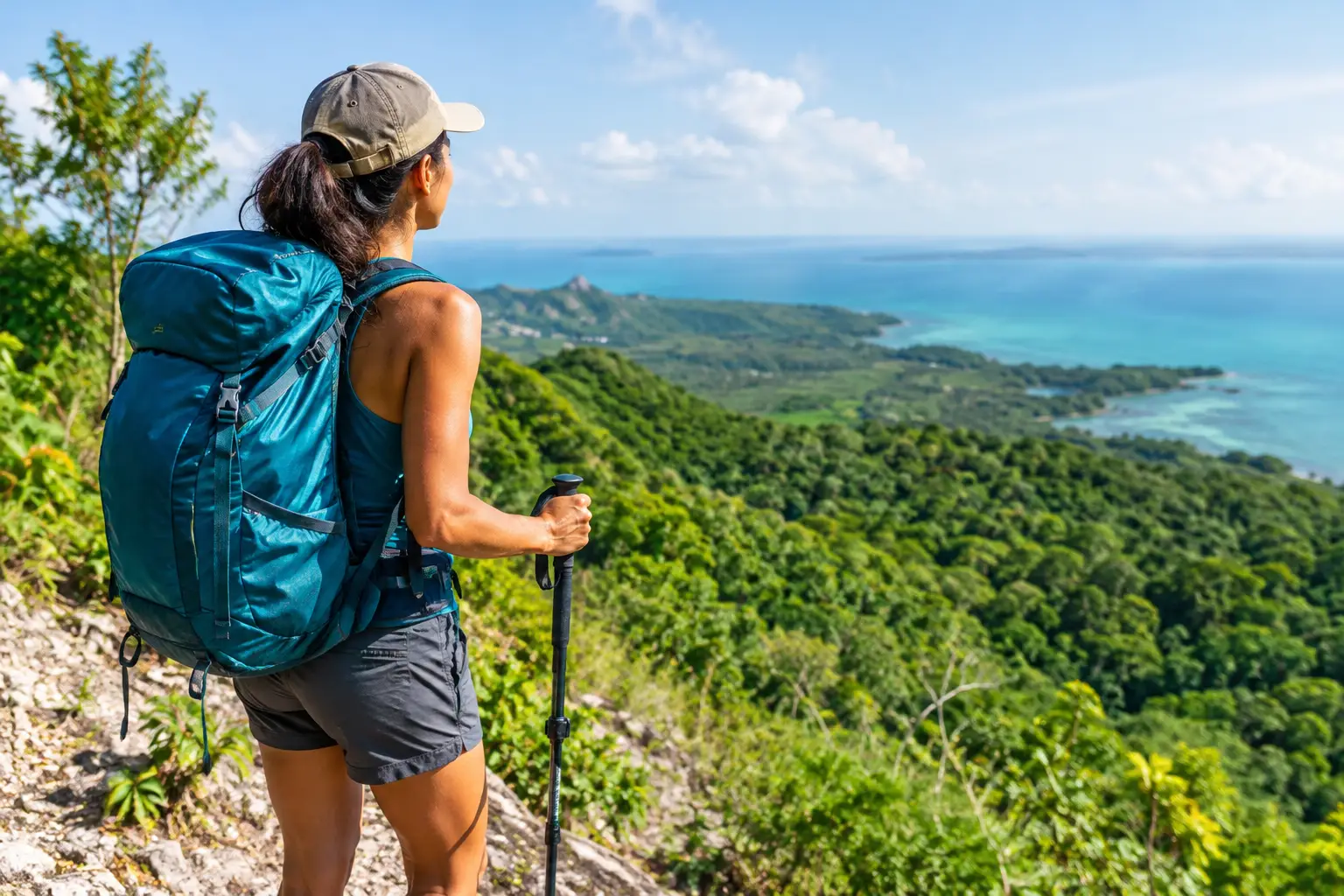
You do not need expedition equipment for most guided inland hikes, but casual flip-flops are not enough. Choose closed-toe shoes with dependable tread. Lightweight hiking shoes or trail runners work well for many routes, while hiking boots can offer extra ankle support on rougher terrain. The best choice depends on your comfort, the route, and whether water or mud is expected.
Wear breathable clothing that allows free movement. Quick-drying shorts or pants are usually more practical than denim, which becomes heavy and uncomfortable when wet. A light long-sleeve layer can be useful for sun protection, brushy sections, and mosquitoes, especially near water or later in the day.
Bring a small daypack with water, insect repellent, sunscreen, and a rain layer. A dry bag or waterproof pouch for your phone and camera is a smart addition in the green season or on cave and river-based outings. If you are carrying medication, keep it protected from moisture and let your guide know before setting out.
For four essentials, think simple: closed-toe footwear, plenty of drinking water, a rain layer, and insect protection. Everything else should support comfort without turning your walk into a heavy carry.
How Fit Do You Need to Be?
Most visitors with a reasonable level of mobility can enjoy Belize’s inland trails when the route is matched to their ability. You do not need to be an elite hiker, but you should be comfortable walking on uneven ground, stepping over roots, and taking your time in heat.
Be honest about knee issues, balance concerns, past injuries, or discomfort in enclosed spaces if your day includes caves. A good guide wants that information early, not because it limits your experience, but because it helps shape a safer and more enjoyable one. A shorter jungle walk with time to look for birds, learn about medicinal plants, and take in a quiet cave entrance can be more memorable than a longer route that leaves you exhausted.
Families should consider the attention span and confidence of younger hikers, not just distance. Children often enjoy jungle trails when there is room to stop, ask questions, and notice wildlife. They enjoy them less when adults are trying to maintain a schedule that does not fit the group.
Reading Weather and Making Smart Decisions
Tropical weather deserves respect, not fear. Morning skies can look clear before clouds build quickly in the afternoon. Thunderstorms may pass in minutes or linger long enough to change road access, trail footing, and water levels.
Your guide will watch local conditions, recent rainfall, and the behavior of waterways, not just a forecast. This local judgment is especially valuable around caves, rivers, and low-lying trails. If a route changes, it is not a lesser experience. It is usually the mark of a guide who knows that Belize’s natural places set the terms.
At Belize Inland Tours, private excursions make this flexibility easier. Rather than moving a large group along a fixed schedule, the day can be paced around your group, the weather, and the conditions that will make the experience feel safe and personal.
Trail Etiquette That Protects the Experience
Belize’s inland trails are home to wildlife, fragile plants, archaeological features, and waterways that support entire ecosystems. Stay on the route your guide identifies, even when a shortcut looks tempting. Cutting around muddy sections can widen a trail and damage vegetation.
Keep voices low when possible. Quiet movement improves your chances of seeing birds and other wildlife, while also preserving the sense that you have stepped away from crowded tourist spaces. Take photographs, but do not remove rocks, plants, or artifacts. In and around Maya sites, even a small object can hold context that matters.
The best trail days are not measured by how much ground you cover. They are measured by how present you can be while the jungle changes around you. Wear the right shoes, listen to local guidance, and leave enough room in the day for Belize to surprise you.
