

 Uncategorized
A Belize jungle day can begin under bright Caribbean sun, then turn into a cool cave walk or a warm rain shower before lunch. The difference between feeling prepared and feeling burdened often comes down to one small decision: how to pack jungle daypack essentials with purpose, not just more stuff.
A daypack for inland Belize should support your experience, not become another challenge on the trail. You want your hands free for uneven ground, your water easy to reach, and your important items protected from rain, mud, and river splashes. Packing well also means knowing what your guide can help provide, so you do not carry equipment you will never use.
Start With the Right Daypack
For most jungle hikes, Maya sites, cave tubing trips, and wildlife outings, a 15- to 25-liter daypack is plenty. A slim, comfortable pack sits closer to your body, catches less on branches, and is easier to manage in tight cave passages or while stepping in and out of a vehicle.
Choose a bag with padded shoulder straps and, ideally, a chest strap. Belize’s inland terrain can include roots, limestone, stairs at archaeological sites, and slippery ground after rain. A pack that shifts from side to side will become irritating quickly. A built-in rain cover is useful, but a simple dry bag or waterproof liner inside the pack offers better protection for phones, cameras, and spare clothes.
Avoid bringing a large travel backpack just because it has space. Extra room encourages overpacking. In the jungle, every unnecessary item adds heat, weight, and one more thing to keep track of.
Pack Your Jungle Daypack in Layers
The most useful packing method is simple: place the things you may need first at the top or in outer pockets, and keep backups and dry items deeper inside. Your water, sunscreen, insect repellent, and rain layer should not be buried beneath snacks and towels.
At the very bottom, pack a lightweight change of clothes in a sealed dry bag. This is especially welcome after cave tubing, cave kayaking, swimming, or a rain-soaked hike. A dry shirt can make the ride back far more comfortable, even if you do not need a full outfit change.
In the middle, keep your towel, snacks, and any personal medication. A compact quick-dry towel is better than a large cotton beach towel, which stays wet, gets heavy, and takes up too much room. If your excursion includes water activities, place a swimsuit or water-friendly clothing in its own bag so it does not soak everything else.
Keep your valuables at the top in a waterproof pouch. A phone, cash, identification, and camera are easiest to access there, and you can quickly move the pouch if conditions change. For cave or river activities, ask your guide whether you should bring electronics at all. Sometimes the best choice is to leave them securely behind and enjoy the experience without worrying about them.
The Essentials That Earn Their Space
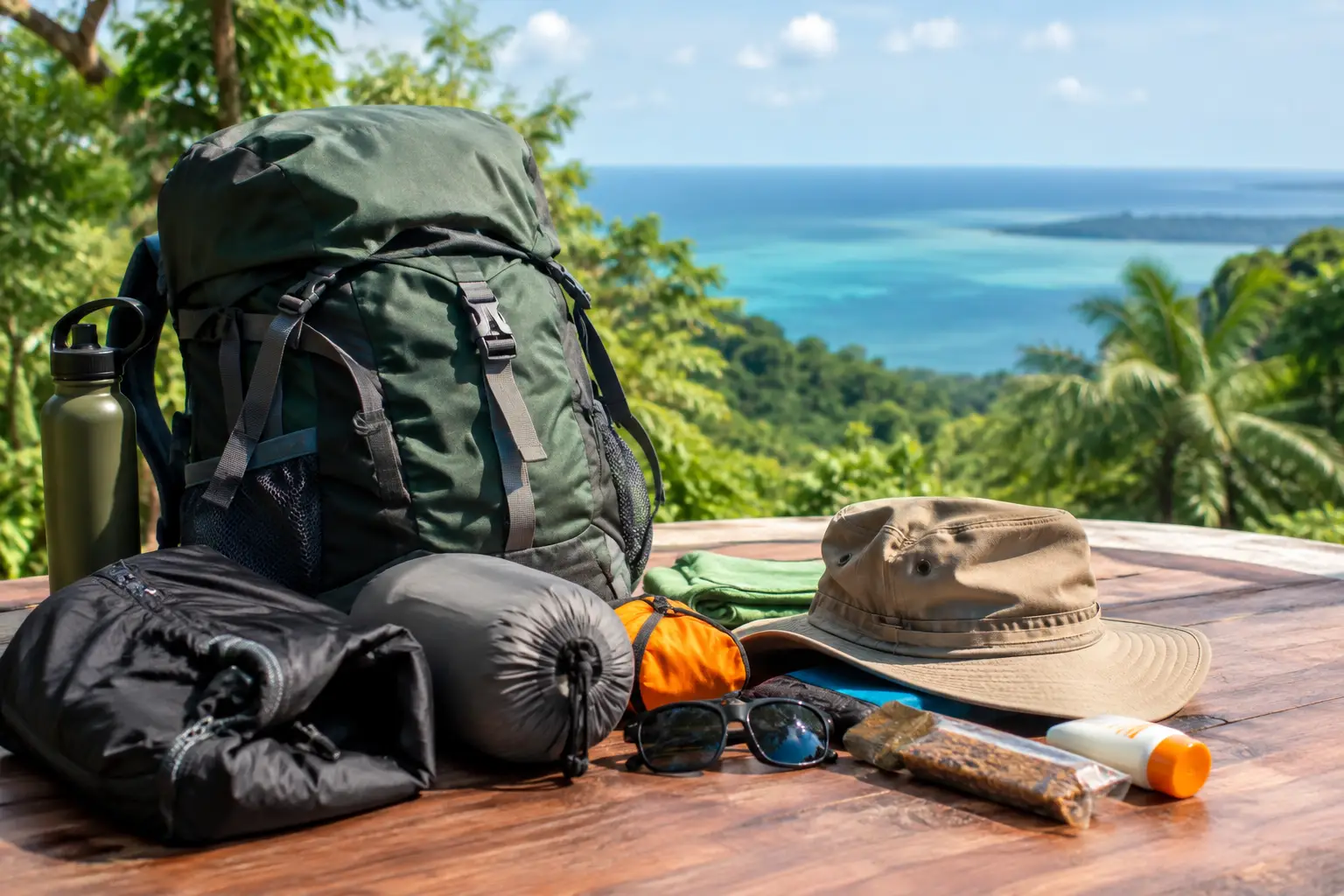
Jungle packing is not about preparing for every possible scenario. It is about bringing the few things that protect you from the elements and let you stay present in the moment. For a typical private inland tour, these are the items that consistently earn a place in your pack:
- A reusable water bottle, preferably insulated if you have one
- Reef-safe sunscreen and insect repellent
- A light rain jacket or poncho
- A waterproof pouch or dry bag for valuables
- A small quick-dry towel and a dry change of clothes
- Any medication, plus a few basic personal items
- Sunglasses, a hat, and a small snack if you need one between meals
Water comes first. Belize is tropical, and heat and humidity can surprise travelers who are used to drier climates. Drink steadily rather than waiting until you feel thirsty. One large bottle is often easier to manage than several small disposable bottles, though the right amount depends on the length and intensity of your outing.
Sun protection matters even when the trail is shaded. You may spend time in open areas at Maya sites, along access roads, near rivers, or at trailheads. A hat with a secure fit is more useful than a wide floppy style that catches wind or branches. Sunglasses are helpful for the drive and open viewpoints, but store them safely before entering a cave or thick forest.
Dress for the Trail, Not the Photo
What you wear affects what must go in your daypack. Lightweight, quick-drying clothing is usually the best choice for Belize’s interior. Breathable long sleeves and pants can provide sun and insect protection, though shorts may be perfectly comfortable for easier walks and water-based tours.
Footwear depends on the activity. Closed-toe walking shoes with traction are a reliable choice for jungle hiking and Maya ruins. Water shoes or secure sandals may be better for cave tubing and river activities, but avoid flimsy flip-flops. They offer little grip on wet limestone and can easily be lost in mud or moving water.
Bring one spare layer, not several. A thin long-sleeve shirt can be useful in a cave, during light rain, or on an air-conditioned transfer. A heavy sweatshirt will take up space and may never leave your pack. Belize is warm, but caves can feel cooler after you have been in the water.
Keep Electronics Dry and Expectations Realistic
A jungle tour can produce some of your favorite Belize photos, from towering ceiba trees to the entrance of an ancient cave. Still, cameras and phones require a practical approach. Humidity, rain, and water crossings are part of the environment, not an inconvenience your gear can ignore.
Use a waterproof pouch for your phone, and test it before your trip. If you bring a camera, carry only the lens you expect to use. Switching lenses in a humid forest invites moisture and dust, while a large camera bag makes movement harder. A small microfiber cloth is useful for wiping condensation or rain from a lens.
Portable chargers can be worthwhile on a long excursion, especially if you use your phone for photos. Keep one in a sealed pouch with its cable. But do not assume you will need it. Turning off background apps, lowering screen brightness, and using airplane mode in areas with limited signal will preserve battery life without adding much gear.
Adjust for Caves, Water, and Maya Sites
The best way to pack changes slightly with the adventure ahead. For a jungle hike or bird-watching morning, focus on water, binoculars if you have them, insect protection, and a rain layer. Keep your camera or phone accessible, because wildlife sightings rarely wait while you unzip three compartments.
For cave tubing or cave kayaking, waterproofing becomes the priority. Bring only what you are comfortable getting wet or losing, and seal everything else. A dry change of clothing, towel, and secure water shoes matter more than extra snacks or bulky accessories. Your guide will explain the conditions and safety equipment for the route, so listen closely before deciding what stays in the vehicle.
For Maya ruins, pack for exposed stone, steps, and sun. Water, sunscreen, a hat, and grippy shoes are more valuable than a heavy jacket. Respect the site by leaving drones, speakers, and unnecessary distractions behind. These places are not just scenic backdrops. They hold the history of Belize’s Maya heritage and deserve your attention.
What to Leave Behind
The easiest way to improve a daypack is to remove what does not belong in it. Leave passports, large amounts of cash, expensive jewelry, and bulky valuables at your accommodation whenever possible. Bring a photo or copy of identification if your tour arrangements require it, rather than carrying every travel document.
Skip glass bottles, oversized umbrellas, hard-sided coolers, and strong scented products. Heavy snacks can also be unnecessary if food is included with your outing. If you have dietary needs or a favorite trail snack, bring a small amount and tell your guide in advance about any allergies or medical considerations.
A good local guide also reduces the need to pack like you are heading into the wilderness alone. On a private experience with Belize Inland Tours, you have experienced people nearby who understand the route, conditions, weather patterns, and practical needs of the day. Your role is to arrive ready, listen to the briefing, and carry the personal essentials that help you stay comfortable.
Before you zip your pack, lift it. If it feels heavier than you expected for a few hours outdoors, remove something. The best jungle daypack is light enough to forget about, dry enough to protect what matters, and organized enough that you can reach for water, a rain layer, or a camera without missing the moment right in front of you.
