
 Uncategorized
The jungle can feel close and quiet one moment, then suddenly alive with rain, bird calls, slick roots, and a trail that looks nothing like it did five minutes ago. That is part of Belize’s appeal. These jungle safety tips Belize travelers should know are not meant to make the experience feel risky. They help you move through the forest with the awareness that makes a great inland day possible.
Belize’s inland landscapes reward curiosity. A short walk can lead to a hidden waterfall, a Maya site under a canopy of ceiba trees, or the cool entrance to a limestone cave. But heat, changing weather, uneven ground, and remote locations all deserve respect. The best adventures feel relaxed because the preparation happened before the first step on the trail.
Jungle Safety Tips Belize Visitors Can Use Before the Trail
Start with the right expectations. Belize is tropical year-round, and jungle conditions are rarely as tidy as a resort walkway. Trails can be muddy after a brief shower, roots can be hidden under leaves, and humidity can make an easy-looking hike feel more demanding than expected.
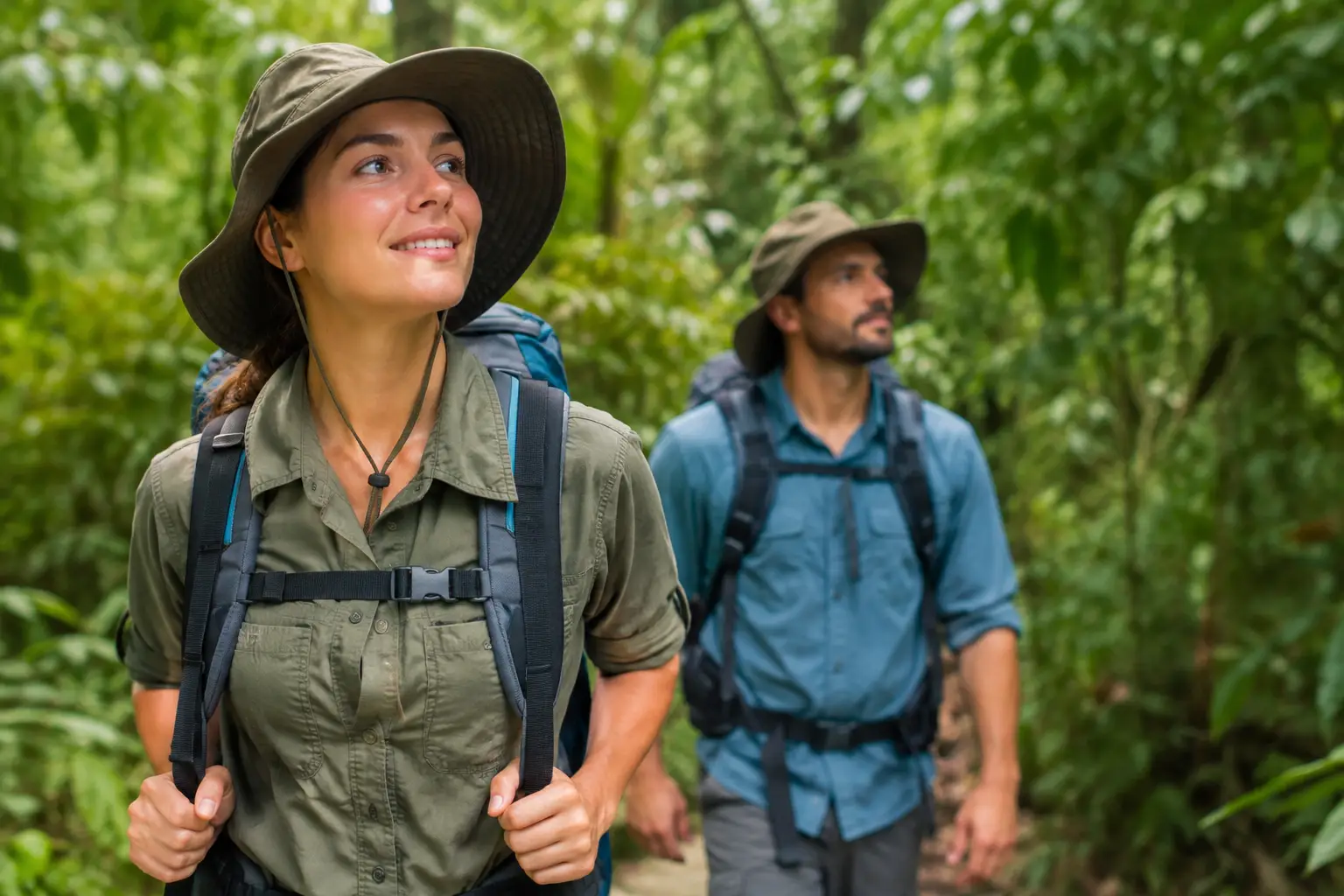
Choose closed-toe shoes with grip, even for a short jungle walk. Lightweight hiking shoes or sturdy trail sandals with a secure heel are often a better choice than flip-flops. Long, breathable pants can be useful on narrower trails, especially where vegetation brushes against your legs, though shorts can be perfectly comfortable on well-maintained routes. The decision depends on the route, weather, and your comfort level.
Bring a small daypack rather than carrying loose items in your hands. You want both hands available for a walking stick, a handrail, or balance on uneven terrain. A reusable water bottle, rain layer, sunscreen, insect repellent, personal medication, and a dry bag for your phone are sensible basics. For cave activities, your guide should provide or specify the necessary safety equipment.
Dress for rain, heat, and moving water
Belize weather can change quickly, particularly during the wetter months. A morning may begin bright and hot, followed by a cooling rain shower that turns clay soil slick. A light rain jacket is more useful than a heavy coat, while quick-drying clothing is usually more comfortable than cotton once you begin to sweat or get wet.
Hydration deserves more attention than many visitors expect. Drink water before you feel thirsty, take regular sips during activity, and let your guide know early if you feel dizzy, nauseated, unusually tired, or overheated. There is no prize for pushing through discomfort in tropical conditions. A short rest in the shade can keep a small problem from becoming a difficult afternoon.
Stay With Your Guide and Read the Landscape
A knowledgeable local guide does more than point out wildlife. They read trail conditions, know where water can rise, recognize plants worth avoiding, and understand how a cave or forest route changes after rain. On a private tour, that local attention also allows the pace to fit your group rather than a large crowd’s timetable.
Stay within sight and hearing distance of your guide, even when stopping for photos. Jungle trails can branch, vegetation can block your view within a few steps, and landmarks are less obvious under a dense canopy. If you need a break, need to adjust footwear, or want to photograph something, say so. Good guides expect this and can choose a safe place to pause.
Do not assume a trail is safe simply because it is dry when you start. Low areas, creek crossings, and cave entrances can be affected by rainfall farther upstream. Your guide may change a route, turn back, or postpone a water-based activity if conditions are not right. That is good judgment, not a disappointment. Belize offers plenty of memorable alternatives when the weather has other plans.
Caves require their own kind of care
Caves are among Belize’s most remarkable natural spaces, but they are not places for independent wandering. Darkness changes depth perception, wet limestone can be extremely slippery, and underground passages may have uneven floors, low ceilings, or moving water.
Use the helmet, life vest, headlamp, or other equipment your operator provides, and listen closely to the briefing before entering. Keep a respectful distance from formations and never touch cave walls or delicate mineral deposits unless your guide specifically says it is permitted. Oils from hands can affect formations that took centuries to grow.
Never enter a cave system during unsafe weather or without a qualified guide who knows that specific route. If a guide says a cave tubing or cave kayaking plan needs to change because of water levels, trust that call. At sites near St. Herman’s Blue Hole National Park, conditions can vary by season and recent rainfall, which is exactly why local experience matters.
Be Wildlife-Aware Without Becoming Wildlife-Focused
Most jungle wildlife wants nothing to do with people. You are far more likely to hear howler monkeys or spot a colorful bird than encounter an animal that poses a threat. Still, the forest works best when visitors give every creature room.
Watch where you place your hands and feet. Avoid stepping over logs without looking at the far side, reaching into hollow trees, or grabbing vines for support. Snakes, spiders, scorpions, insects, and small mammals use the same cool, sheltered spaces that look convenient to a tired hiker. This is not a reason to be fearful. It is a reason to be deliberate.
If you see wildlife, stop at a comfortable distance and let your guide assess the situation. Do not feed animals, call to them, throw objects, or move closer for a photo. Wildlife photography is more rewarding when the animal behaves naturally, and your patience protects both the animal and your group.
Insect repellent is part of jungle comfort, especially around damp areas and at dawn or late afternoon. Apply it before setting out, and consider reapplying after swimming or heavy rain according to the product label. Your guide can also help you understand which areas call for extra attention during different seasons.
Respect Water, Mud, and Your Own Limits
Water is central to many inland Belize experiences, from clear swimming holes to rivers flowing through caves. It is also where conditions can shift fastest. Do not jump into water unless your guide has confirmed the depth and landing area. Keep footwear on where recommended, especially around rocky riverbeds, and wear a properly fitted life vest for any activity where one is provided.
Mud is normal on a real jungle trail. Take shorter steps, keep your weight centered, and use natural handholds only when your guide confirms they are stable. Trying to rush around a muddy section often causes the fall that a slower pace would have avoided.
Be honest about your fitness, swimming ability, injuries, and concerns before the tour begins. A good operator can recommend a route and pace that suits your group, but only if they have accurate information. Families with children, first-time cave visitors, and experienced hikers can all enjoy Belize’s inland country. They may simply need different routes, equipment, or timing.
Keep the Jungle Wild for the Next Group
Safety and respect for the environment go together. Stay on established paths where they exist, carry out what you bring in, and avoid leaving food scraps behind. Even biodegradable items can attract animals or alter their natural behavior.
Keep noise low when possible. The quieter you move, the more you notice: a toucan shifting in the canopy, leafcutter ants crossing the trail, or the sound of water deep inside a cave. Quiet also helps your guide communicate clearly if a trail condition changes.
Belize Inland Tours approaches private inland excursions with this balance in mind: enough preparation to feel secure, enough space to feel the place. The goal is not to conquer the jungle or rush from one photo stop to the next. It is to travel through it with capable local guidance and leave with a stronger sense of what makes Belize’s interior so special.
The forest does not ask you to be an expert. It asks you to slow down, pay attention, and make room for the guide, the weather, and the landscape to lead the day.
