
 Uncategorized
The most memorable Belize days often begin after the tour buses have turned toward the busiest stops. Quiet Belize adventure routes trade crowded platforms and rushed photo breaks for the sound of water moving through limestone, leaf litter underfoot, and the patient work of noticing what the jungle is doing around you. For travelers who came for real connection with the country, that slower pace is not a compromise. It is the point.
A quieter route does not mean an unplanned or lesser adventure. It means choosing places, timing, and activities that allow a guide to adjust the day to your group, the weather, and the conditions on the ground. You can still float through a cave, walk beneath towering forest, learn how Maya communities shaped the landscape, and look for birds that disappear into the canopy. You simply have more room to experience it.
What Makes a Belize Route Feel Quiet?
Crowds are not only about the destination. They are about when you arrive, how large your group is, and whether the day follows a fixed mass-market schedule. A private inland experience can leave at a pace that suits your family or small group, spend longer at the places that hold your attention, and avoid turning every stop into a race against the clock.
Belize’s inland country is especially well suited to this style of travel. The Hummingbird Highway corridor, the Cayo District, and the forested areas around central Belize hold caves, rivers, Maya sites, trails, and wildlife habitat within reach of one another. The best route depends on your starting point and energy level, but a knowledgeable local guide can make the difference between merely visiting a location and understanding where you are.
There is a practical side as well. Caves and jungle trails are living environments, not amusement parks. Water levels, recent rain, trail conditions, heat, and wildlife activity can affect the best plan for the day. Smaller, guided outings are better able to respond thoughtfully to those changes while keeping safety and comfort in view.
Quiet Belize Adventure Routes for Different Travelers
Cave tubing where the forest sets the pace
Cave tubing is often associated with big groups, but it can be a completely different experience when approached privately and at the right time. Instead of waiting in a line of tubes, you can walk through the forest with your guide, learn why the limestone beneath Belize is shaped by underground water, and enter the cave system with the group’s ability and confidence in mind.
At St. Herman’s Blue Hole National Park, the journey is part of the experience. The surrounding forest, shaded paths, and cool water create a welcome contrast to a hot Belize afternoon. Inside the cave, headlamps reveal formations and broad chambers that would be easy to miss if you were focused only on keeping up with a crowd.
This route suits families with older children, couples, and first-time cave visitors who want an accessible adventure without making the day feel staged. It is still important to be honest about comfort levels. Cave tubing involves walking on uneven ground, getting wet, and spending time in dark spaces. A good guide will explain what to expect before you begin, not halfway through the trail.
Cave kayaking for travelers who want to move
For guests who prefer a more active way through the water, cave kayaking brings a different kind of focus. Paddling quietly through a cave asks you to pay attention to your strokes, your surroundings, and the guide’s instructions. The reward is a closer sense of travel through the underground landscape than a float can provide.
It is a strong option for active couples, small groups, and confident beginners who are comfortable around water. The trade-off is that kayaking requires more physical participation than tubing, and it may not be the best fit for very young children or anyone with limited upper-body mobility. Conditions matter here, too. A responsible operator will choose the appropriate route and activity based on water levels and the group’s experience.
The quiet is part of what stays with people. When paddles pause, you can hear drips falling from the cave ceiling and water echoing against stone. That is a Belize memory no crowded viewing platform can replace.
Jungle hiking that leaves room for wildlife
A jungle walk is not a checklist of animals guaranteed to appear on command. It is an invitation to understand a habitat. On a quieter trail, your guide has time to point out medicinal plants, animal tracks, termite nests, bromeliads, and the calls that reveal birds or monkeys before you see them.
Morning often offers the best chance for cooler temperatures and active birdlife, while later hikes can feel more atmospheric after the forest has warmed and the light softens under the canopy. The choice depends on your interests. Bird watchers may want an early start and a slower pace. Travelers looking for a combination day may prefer a moderate trail followed by cave time or a swim.
Bring closed-toe shoes, water, insect repellent, and clothes that can handle humidity. More importantly, bring patience. Wildlife encounters are never promises, but the act of moving quietly through the forest improves the chances of seeing more and teaches you to notice far more than the headline species.
Maya sites beyond the quick photo stop
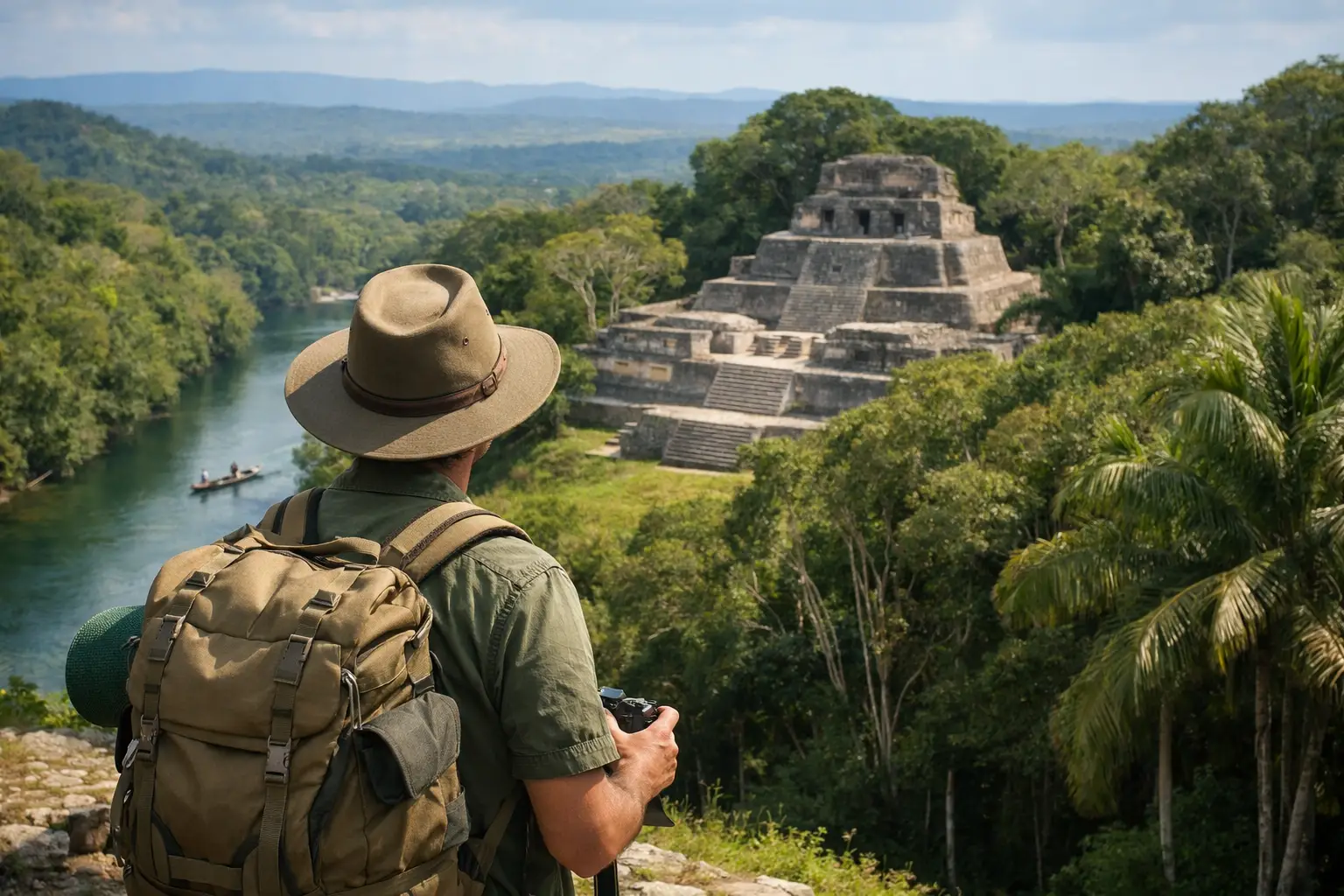
Maya ruins deserve time, context, and a guide who can connect stone structures to the people who built and used them. A quieter visit gives you space to look at a plaza, trace the height of a temple, and ask questions about trade, agriculture, ceremony, and daily life. These were not isolated monuments. They were part of sophisticated societies tied to forests, rivers, and regional networks.
Some sites require more travel or a longer walk, which can naturally limit crowds. Others are easier to reach but still become more meaningful when visited with an itinerary that does not force you to hurry. The right choice depends on where you are staying, how much driving you want in one day, and whether your group prefers archaeology, scenery, or physical activity.
For families, a Maya site can work especially well when the story is made tangible. Children often respond to the scale of the buildings, the idea of ancient cities in the forest, and the practical details of how people lived. Adults tend to appreciate that Belize’s cultural history is not presented as a distant relic, but as part of a country with living Maya communities and traditions.
How to Plan a Low-Crowd Inland Day
Start by deciding what you want to feel when the day is over. If your ideal adventure is cool water and underground scenery, choose a cave-centered route. If you want movement and a stronger physical challenge, consider kayaking or a longer hike. If culture is your priority, give a Maya site enough time rather than squeezing it between unrelated stops.
Then be realistic about logistics. Belize is compact on a map, but road time, weather, and trail access shape a day more than many visitors expect. Trying to fit a distant ruin, a cave, a long hike, and multiple meals into one outing can leave everyone tired and shortchange every location. Two well-chosen experiences usually create a better day than four rushed ones.
Private guidance also matters when travelers have different needs. One person may want to photograph birds, another may be nervous about caves, and another may simply want time to swim and relax. With a small group, the day can be built around those differences instead of asking everyone to follow the same standard pace.
Belize Inland Tours approaches inland excursions with that flexibility in mind, pairing local knowledge with private service and direct access to the landscapes that make central Belize special. The goal is not to isolate travelers from the country. It is to bring them closer to it with the preparation and attention that wild places deserve.
The Value of Going Slower
A quiet route will not always deliver the biggest adrenaline rush or the most famous photo in Belize. It may deliver something better: the confidence to ask questions, the time to listen in a cave, a trail where your group can hear the forest, and a guide who notices when the plan should change.
Leave a little open space in your itinerary. Belize’s inland landscapes reward travelers who are willing to follow the weather, linger at the water’s edge, and let one good adventure be enough for the day.

