
 Uncategorized
A cave entrance can look calm at breakfast and feel completely different after an afternoon rain. A jungle trail that is easy for one traveler may be slippery, hot, or demanding for another. That is why a useful Belize tour safety review is not about finding a tour that promises zero risk. It is about choosing a local operator that recognizes real conditions, communicates clearly, and makes good decisions before and during the day.
Belize’s inland country rewards curious travelers with limestone caves, rainforest, Maya sites, rivers, and remarkable wildlife. It also asks for practical preparation. The right guide helps you experience the adventure without turning uncertainty into a surprise.
What a Belize Tour Safety Review Should Tell You
Online reviews can be helpful, but five stars alone do not explain how a tour operates in the field. Read beyond broad comments such as great day or amazing guide. Look for details that reveal what happened when conditions changed: Did the guide adjust the pace for the group? Did families feel comfortable? Were instructions clear before entering water or walking uneven ground? Did the guide know the plants, terrain, and local history?
The strongest feedback often mentions small, specific actions. A guide checked shoe fit before a trail. The group had time to ask questions. The route was changed because of rain. Someone who was nervous in a cave felt supported rather than rushed. These are signs of thoughtful guiding, not just good hospitality.
Also consider who is writing the review. A fit couple seeking a challenging hike may describe a route very differently from a family with younger children or a traveler with limited mobility. There is no universal definition of easy. A trustworthy operator will explain the actual demands of an experience instead of relying on a label.
Safety Begins Before You Leave Your Hotel
A well-run private tour starts with a conversation, not a pickup. Your guide should ask relevant questions about swimming ability, comfort in enclosed spaces, injuries, medical concerns, ages in the group, and prior activity level. That information is not paperwork for its own sake. It helps shape the route, pace, equipment, and expectations.
For cave tubing or cave kayaking, ask whether participants must be able to swim, how life jackets are used, and what happens if water levels change. For hiking, ask about distance, elevation, footing, heat, and whether the trail includes stream crossings or steep sections. For Maya ruin tours, ask how much walking is involved and whether climbing is permitted or appropriate for your group.
Clear pre-tour information is a safety feature. You should know what to wear, what footwear makes sense, whether you need a change of clothes, what is provided, and what you should bring. Closed-toe water shoes or sturdy sandals can make a major difference on wet limestone. Light clothing, insect repellent, drinking water, and sun protection are simple preparations that support a much better day outdoors.
A guide should not pressure you to book an activity that does not suit you. The better choice may be a gentler cave visit, a shorter jungle walk, a birding outing, or a ruin tour with more time in the vehicle. Adventure is more memorable when it fits the people taking part.
Weather Is Part of the Plan
Belize’s tropical weather is one reason the landscape is so green, and it is also a factor every inland operator must respect. Rain can change trail conditions, river flow, visibility, and access to cave systems. During wetter periods, plans may need to shift quickly.
That does not mean rain automatically cancels an outing. It means your guide should monitor conditions, understand the local drainage and waterways, and have the judgment to pause, reroute, or replace an activity when needed. A responsible decision may be disappointing for a few minutes, but it is far better than pushing forward to protect a schedule.
Ask how the company handles weather-related changes. The answer should be direct. Good operators explain that conditions determine the day, especially around water and caves. Be cautious of anyone who guarantees that every activity will run exactly as planned, regardless of rainfall or water levels.
The Guide Matters More Than the Gear List
Proper equipment matters. Life jackets, helmets where appropriate, dry bags, reliable transportation, and first-aid supplies are all reasonable things to expect. But gear is only one part of safe guiding. The person leading you needs to know how to read the environment and manage a group with different confidence levels.
Experienced local guides understand more than the route. They recognize changing weather, know where footing becomes unstable, understand cave etiquette, and can spot the early signs that someone is overheating, fatigued, or uncomfortable. They also know when to slow down. The fastest person in the group should not set the pace for everyone else.
Before an activity begins, listen for a practical briefing. It should cover where to walk, how to move on wet rock, how to use equipment, when to stay together, and what to do if separated from the group. In caves, instructions may include protecting fragile formations, avoiding sensitive areas, and using lights responsibly. In the jungle, they may include staying on the trail and giving wildlife space.
A calm guide creates confidence without pretending nature is predictable. That balance is particularly valuable for first-time cave visitors, families, and travelers who want to try something adventurous without feeling overwhelmed.
Private Tours Can Offer a Real Safety Advantage
A private tour is not simply a quieter version of a large excursion. It gives your guide more room to adapt the experience to your group. There is time to explain a point twice, stop for water, choose a calmer pace, or adjust plans when a child gets tired or a guest decides a particular section is beyond their comfort level.
On crowded routes, guides may have less flexibility. Groups can move in clusters, wait for others, and feel pressure to keep a fixed timetable. That can reduce the personal attention many travelers need in unfamiliar environments. Smaller private groups make communication easier, especially around water, uneven terrain, and narrow cave passages.
At Belize Inland Tours, private inland excursions are built around that kind of personal attention. Direct access to the landscapes around St. Herman’s Blue Hole National Park allows guides to focus on the conditions and the people in front of them, rather than moving a high-volume group through a standard routine.
Questions Worth Asking Before You Book
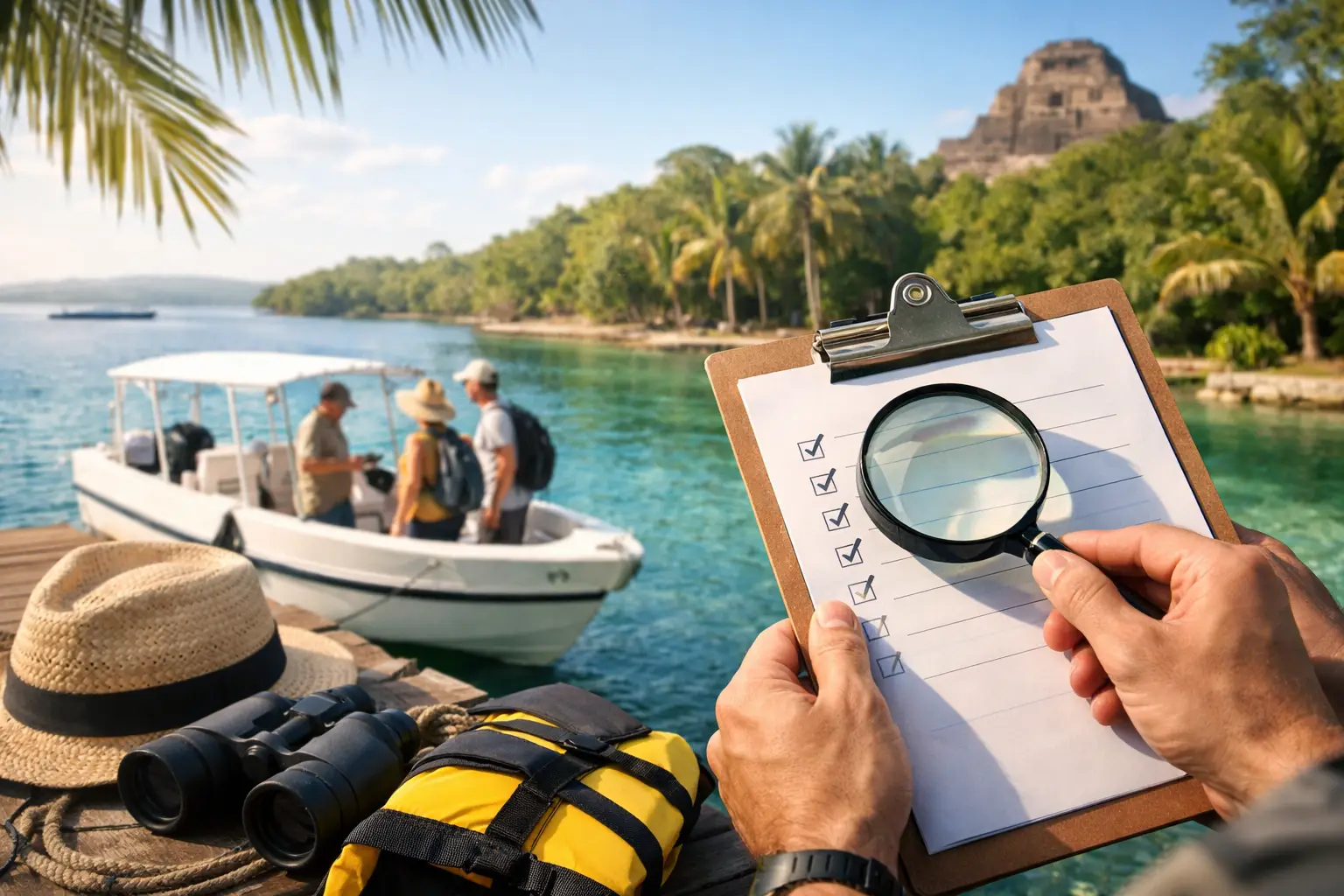
A few direct questions can reveal a great deal about an operator’s standards. Ask whether the company is licensed, who will lead your trip, and whether that guide has experience with the specific activity you are booking. Ask about group size, equipment, transportation, water and restroom access, and how the team responds to rain or changing river conditions.
For a cave experience, ask whether there are sections involving darkness, swimming, ducking under low rock, or uneven surfaces. For a jungle hike, ask whether the route is suitable for your group’s fitness and mobility. If you are traveling with children, be specific about their ages, swimming confidence, and outdoor experience rather than assuming a family-friendly label means every route will work.
Pay attention to the response. Helpful answers are specific and unhurried. A good operator may tell you that one tour is not the best fit and suggest another. That is a sign they value your experience more than filling a spot.
Your Part in a Safe Inland Adventure
Guides carry major responsibility, but travelers have a role as well. Be honest about your abilities and concerns. If you do not swim confidently, dislike tight spaces, have knee pain, or are recovering from an injury, say so before the tour begins. Your guide can only adapt to information they have.
Follow instructions even when the trail seems straightforward. Wet limestone can be slick, riverbanks can shift, and tropical heat can catch up with people who have spent the previous day relaxing near the coast. Drink water regularly, wear the recommended footwear, and let your guide know early if you are not feeling well.
Respect for the place is part of safety, too. Stay with the group, avoid touching cave formations, do not feed wildlife, and leave archaeological areas as you found them. These places have endured because they are more than backdrops for a vacation photo.
The best inland days in Belize often include a little mud on your shoes, a cool cave breeze, and the quiet moment when the jungle gets louder than the conversation. Choose a guide who prepares carefully, speak honestly about what you need, and give the landscape the respect it deserves. That is how adventure stays personal, meaningful, and well cared for.

