

 Uncategorized
A cave can feel like a place apart from ordinary life: cool air after jungle heat, water moving through the darkness, limestone walls shaped over thousands of years. But in Belize, a cave is often more than a dramatic natural setting. A cultural cave interpretation example helps visitors understand why ancient Maya communities entered these spaces, what they may have brought with them, and why respectful travel matters when you follow the same underground routes today.
For travelers who want more than a quick photo stop, this perspective changes the experience. Instead of seeing a passageway as simply a place to tube, paddle, or hike through, you begin to notice the relationship between the cave, the forest, water, ceremony, and the people who lived in this landscape long before modern trails existed.
A cultural cave interpretation example from Belize
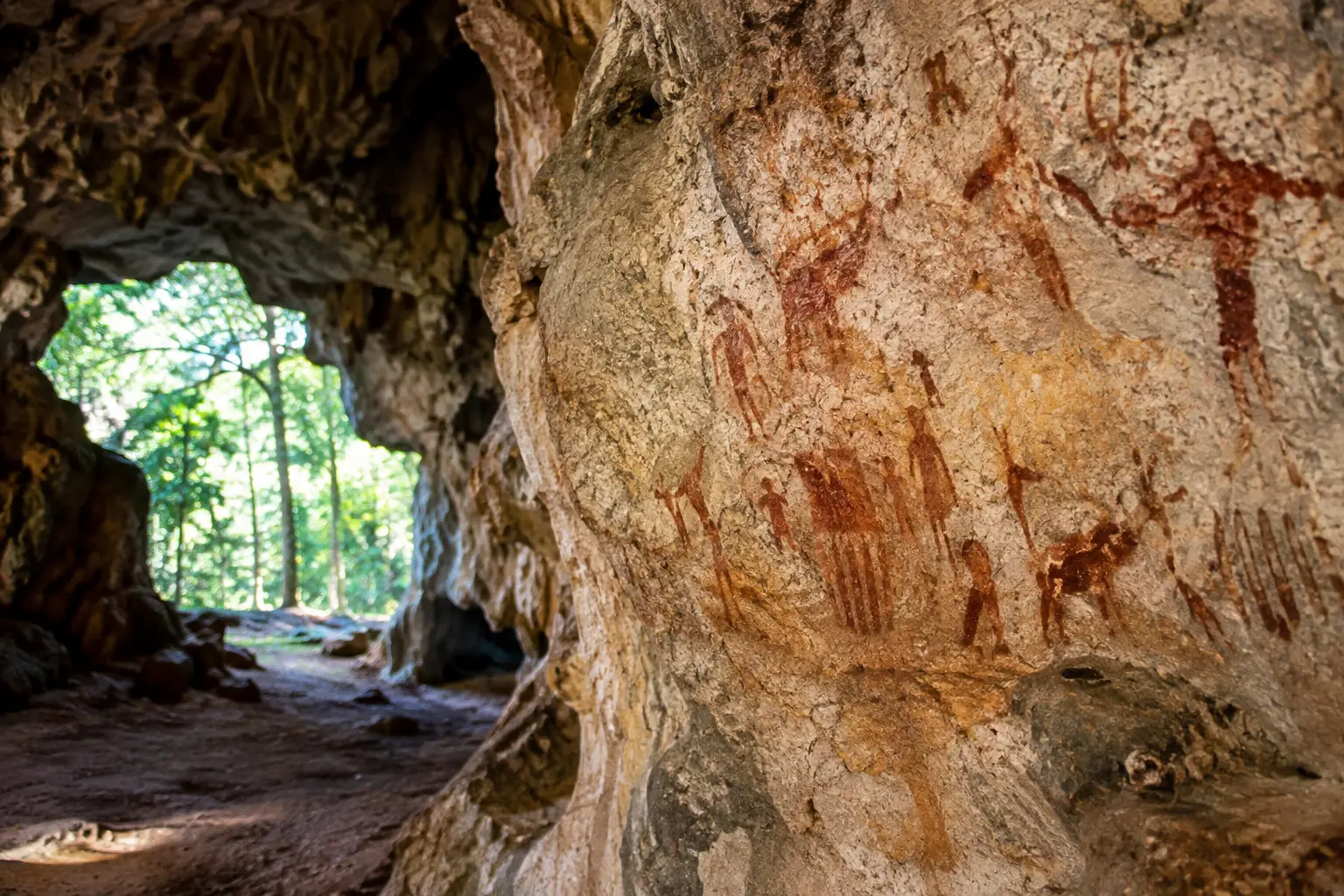
Imagine entering a limestone cave near the foothills of central Belize. Your guide points out that the cave sits within a living watershed. Water has slowly carved channels through the rock, fed the surrounding forest, and created a cool refuge for bats, insects, fish, and other cave-adapted life. That natural setting is the first part of the story, not background scenery.
As the group moves farther from daylight, the guide explains that the ancient Maya did not necessarily see caves as empty holes in the ground. Across the Maya world, caves were powerful places connected with water, fertility, ancestors, and the sacred forces beneath the earth. They could be places for ceremony, offerings, and communication with a spiritual realm.
The interpretation remains careful. A knowledgeable guide does not claim to know the exact purpose of every ledge, chamber, or dark passage without evidence. Instead, they might explain how archaeologists study pottery fragments, charcoal, modified spaces, human remains, or the placement of artifacts to build an informed picture of past use. Some caves show clear ceremonial activity. Others may have served different purposes at different times. The details depend on the specific site.
That is what makes cultural interpretation valuable. It connects established evidence with the wider Maya understanding of the landscape, while being honest about what remains uncertain.
Why caves mattered to the ancient Maya
Belize’s limestone terrain made caves an important part of the physical and cultural landscape. They offered fresh water, sheltered spaces, and access to underground chambers that could feel mysterious even to people who knew the forest well. In a region shaped by seasonal rains and dry periods, the connection between caves and water carried real practical weight as well as spiritual meaning.
Maya communities understood their environment closely. They farmed, traveled, traded, built settlements, and held ceremonies within a landscape of rivers, hills, sinkholes, and caves. A cave was not separate from village life. It was part of the same connected world.
Visitors sometimes expect a cultural explanation to be a long list of dates and names. Those details have their place, but a strong guide begins with the human question: why would someone make the effort to enter a dark, wet, uneven place carrying a ceramic vessel, food, incense, or another offering? The answer is not merely that the cave was unusual. It was meaningful because it sat at the meeting point of land, water, darkness, and belief.
This approach also gives travelers a better way to understand Maya heritage. The ancient Maya were not a vanished people frozen in the past. Maya communities remain part of Belize and Central America today. Discussing archaeological cave use with respect means recognizing both the deep history of the region and the living cultural identity connected to it.
Reading the cave without inventing a story
Caves invite imagination, and that is part of their appeal. Yet the best interpretation does not turn every rock formation into a legend or every dark corner into a ceremonial chamber. It separates observation from inference.
An observation may be simple: a passage narrows, the floor becomes slick, or a formation has taken millennia to grow. An interpretation may explain that ancient visitors likely faced many of the same physical challenges and that reaching a remote chamber required purpose and preparation. Evidence from the wider region can provide cultural context, but it should not be used to make unsupported claims about a particular spot.
This balance is especially useful for families and first-time cave explorers. It makes the experience more credible and more memorable. You are not being handed a script. You are being shown how archaeologists, local guides, and conservation-minded visitors learn from a place.
What a guide brings to the experience
A cave visit is richer when your guide can move comfortably between natural history, local knowledge, and cultural context. One moment, the focus may be the limestone itself: ancient marine sediments lifted into land and slowly dissolved by rainwater. The next, it may be the way a low chamber stays cooler than the jungle outside or why the sound of running water changes as a passage opens.
Then comes the cultural layer. A guide can explain why caves appear repeatedly in Maya archaeological interpretation, how artifacts are documented and protected, and why it is never acceptable to remove, touch, or rearrange anything that may be culturally significant. These are not separate lessons. They are part of understanding the cave as one place with many stories.
At Belize Inland Tours, private experiences create room for those conversations. A small group can pause when something catches their attention, ask practical questions, and travel at a comfortable pace rather than being pushed through a crowded route. That slower pace is especially valuable in cave environments, where safe footing and awareness of the surroundings should always come first.
Respect is part of the adventure
Cultural cave interpretation is not only about learning what happened centuries ago. It also shapes how visitors behave now. Caves are fragile environments. A hand on a mineral formation can leave oils that affect its growth. A footstep outside the designated route can damage sediment, disturb wildlife, or interfere with archaeological evidence.
Respectful exploration is straightforward, but it requires attention. Follow your guide’s instructions, stay on approved paths or in designated water routes, and bring out everything you bring in. Avoid touching formations unless your guide says it is safe to do so. Never take stones, pottery pieces, bones, or any other object as a souvenir, even if it looks insignificant.
Photography has trade-offs too. A camera can help preserve a personal memory, but repeated bright flashes may disturb bats and other wildlife. In some culturally sensitive areas, photography may be limited. Those rules are part of protecting the experience for future visitors, not a barrier to enjoying it.
The same principle applies to noise. A cave does not need to be silent, but a quieter group often sees and hears more. You may notice dripping water, wingbeats, the current moving beneath your tube or kayak, or the change in sound as you enter a larger chamber. Those details make the cave feel less like an attraction and more like the living environment it is.
Choosing the right kind of cave experience
Not every Belize cave tour offers the same level of cultural interpretation, and that is okay. Some experiences are designed primarily for relaxed cave tubing. Others focus on active caving, hiking, kayaking, or archaeological exploration. The right choice depends on your comfort level, interests, available time, and the ages and abilities of your group.
If Maya history is a priority, ask whether the experience includes meaningful cultural context and whether the guide explains the difference between confirmed archaeological evidence and broader regional traditions. If you are traveling with children or prefer a gentler outing, choose a route where the cultural story can be enjoyed without technical climbing or long underground passages. Travelers seeking a more adventurous day may prefer a cave journey combined with jungle hiking or a nearby Maya site.
A private guide can make these choices easier. The goal is not to make every guest an archaeologist. It is to help you feel prepared, safe, and connected to what you are seeing.
The next time you enter a Belize cave, take a moment before moving beyond the daylight. Notice the temperature, the water, the shape of the stone, and the effort it takes to go farther inside. That pause is where a memorable adventure becomes a more respectful encounter with Belize’s natural and Maya heritage.
