
 Uncategorized
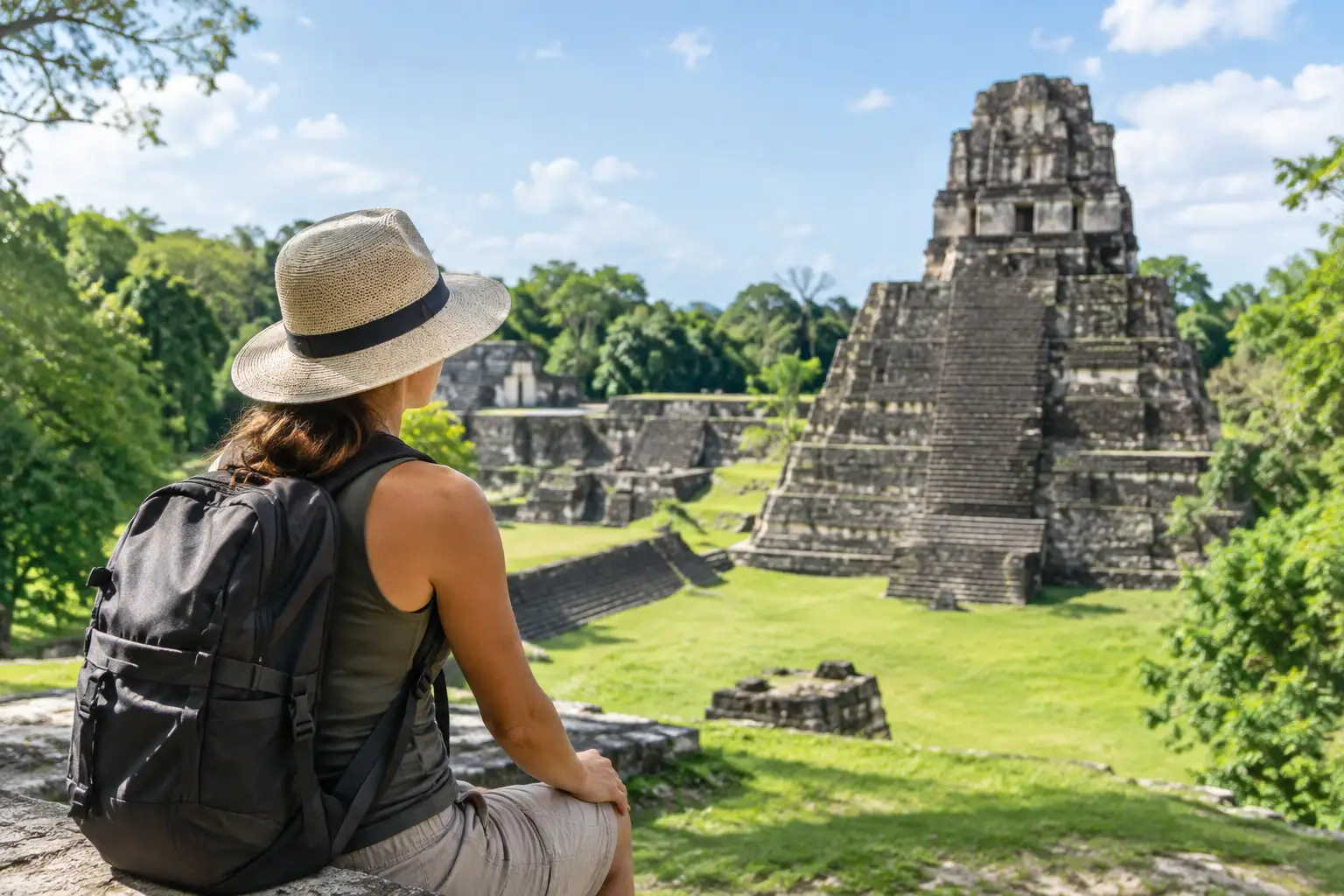
A temple stairway rising above the jungle is not a photo backdrop or an obstacle to conquer. It is part of a living cultural landscape shaped by the ancestors of Maya people who still call Belize and the wider region home. Learning how to respect Maya ruins changes a visit from simple sightseeing into something more memorable: a chance to listen, observe, and walk carefully through a place with deep meaning.
Belize offers remarkable access to ancient Maya cities, from monumental ceremonial centers to smaller sites surrounded by forest. Each has its own conditions, visitor rules, and story. Respect begins before you arrive, then continues in the choices you make on the trail, around the structures, and when sharing your experience afterward.
How to Respect Maya Ruins Before You Arrive
A good visit starts with the right frame of mind. These places are often called ruins because their stone buildings are no longer used in the way they were centuries ago. But that word can make visitors think of something abandoned or disconnected from the present. Maya heritage is not frozen in the past. Belize is home to Maya communities whose languages, traditions, agriculture, foodways, and knowledge remain part of the country’s living culture.
Come ready to learn rather than to collect a quick landmark photo. Read the site rules, wear shoes suited to uneven ground, bring water, and allow enough time to move at a slower pace. Rushing tends to lead to missed details, accidental damage, and a visit centered only on the biggest pyramid.
A knowledgeable local guide adds valuable context. The best interpretation goes beyond dates and royal names. It can help you notice how buildings align with the landscape, why plazas mattered for public life, how trade connected Belize to other Maya centers, and what archaeologists still do not know. Some questions do not have one clean answer, and that uncertainty is part of what makes these places fascinating.
Follow the Site Rules, Even When No One Is Watching
Rules at Maya sites are practical protections, not unnecessary limits on adventure. Trails and barriers keep visitors safe while reducing erosion around fragile structures. A stone step may look solid, but centuries of rain, roots, visitor traffic, and restoration work can make it vulnerable.
Stay on marked paths, use designated entry points, and obey signs about climbing. At some Belize sites, visitors may be allowed on selected structures; at others, climbing is restricted or prohibited. The difference usually comes down to safety, preservation needs, and the condition of the building. Do not assume that access at one site means the same rule applies at another.
Never sit, stand, or place bags on carved monuments, altars, stelae, or low walls. These objects are archaeological evidence, and many also hold cultural significance. Avoid touching carvings and painted surfaces. Oils from hands, sunscreen, and repeated contact can contribute to deterioration over time.
If an area is closed, do not step around a rope or enter it for a better photograph. A quiet, uncrowded visit is a privilege, not an invitation to go where visitors are not permitted.
Leave Every Stone Where It Belongs
A small pottery fragment, chipped stone tool, or loose-looking rock can seem insignificant on the ground. In archaeology, its location can be as meaningful as the object itself. Moving it removes part of the story researchers use to understand daily life, trade, ceremony, and settlement patterns.
Do not take artifacts, stones, plants, or any material from a site. Do not rearrange rocks into names, symbols, or photo props. If you see something that appears unusual, leave it exactly where it is and tell site staff or your guide. The same principle applies to caves and surrounding forest areas, where cultural material and natural features can be easily damaged.
Belize’s archaeological heritage belongs to Belize. Treating it with care helps protect it for local communities, researchers, and future travelers who deserve the same sense of discovery.
Photograph With Care and Context
Photos are one of the best ways to remember a day in the jungle, but the pursuit of a dramatic image can quickly become disrespectful. Keep your feet off walls, avoid climbing into restricted areas, and do not lean on structures for a pose. Flying a drone may also require permission and can disturb wildlife or other visitors, so never assume it is allowed.
Consider what your images say about the place. A photo of a temple framed by ceiba trees can show the powerful connection between architecture and landscape. A caption that identifies the site and recognizes its Maya history can carry that respect further. Avoid language that presents the people who built these cities as mysterious disappearances or treats the site as a lost playground waiting to be claimed.
It is also worth making room for moments without a camera. Stand quietly in a plaza. Notice the calls of birds in the canopy, the scale of the structures, and the effort it took to build and maintain a city in this environment. Those details often stay with you longer than the perfect shot.
Respect the Jungle Around the Archaeology
Maya sites in Belize are rarely separate from nature. Forest trails, limestone ridges, rivers, and caves form part of the experience and, in many cases, part of the original settlement landscape. Protecting the site means protecting its surroundings too.
Carry out everything you bring in, including food wrappers and bottle caps. Keep snacks packed away so they do not attract animals. Do not feed wildlife, pick flowers, carve trees, or play loud music on the trail. The jungle is home to birds, insects, reptiles, and mammals that need space as much as visitors do.
Use insect repellent and sunscreen thoughtfully. Apply them before entering sensitive areas when possible, and avoid leaving wipes or disposable packaging behind. If you are joining a cave, hiking, or ruin excursion on the same day, ask your guide how to prepare for the specific environment. Conditions can change quickly with rain, heat, and trail surfaces.
Listen to Local Knowledge
Belize is a country of many cultures, and the story of the ancient Maya is best understood through more than one voice. Archaeology offers one kind of evidence. Local guides, Maya community members, conservation staff, and cultural educators bring other forms of knowledge and perspective.
Ask respectful questions. You might ask how the site relates to nearby communities, what current research is changing, or why a particular building has access restrictions. Be open to learning that popular travel stories are sometimes oversimplified. For example, Maya cities were not all the same, and the history of the Maya did not end when certain centers declined.
A private guided visit can be especially rewarding for travelers who prefer space to ask questions and move at a comfortable pace. At Belize Inland Tours, we believe a quieter route and informed local guidance leave more room for genuine connection – with the landscape, with history, and with the people who know Belize best.
Bring the Same Respect to Fellow Visitors
Respect also shapes the atmosphere of a site. Keep voices low near guides who are explaining the history to their groups. Give families, older travelers, and photographers room on narrow trails. If you stop to take a picture, step aside where it is safe rather than blocking a path or staircase.
There is no single right way to experience a Maya site. Some visitors are drawn to architecture, others to wildlife, family history, or spiritual reflection. A considerate pace allows everyone to have their own encounter with the place.
When you leave the site, let the experience influence the rest of your trip. Choose local guides, support respectful cultural businesses, and speak about Belize’s Maya heritage as living, complex, and worthy of care. The most meaningful souvenir is not a stone or a staged photograph. It is a deeper understanding of the ground you were fortunate enough to walk on.
