
 Uncategorized
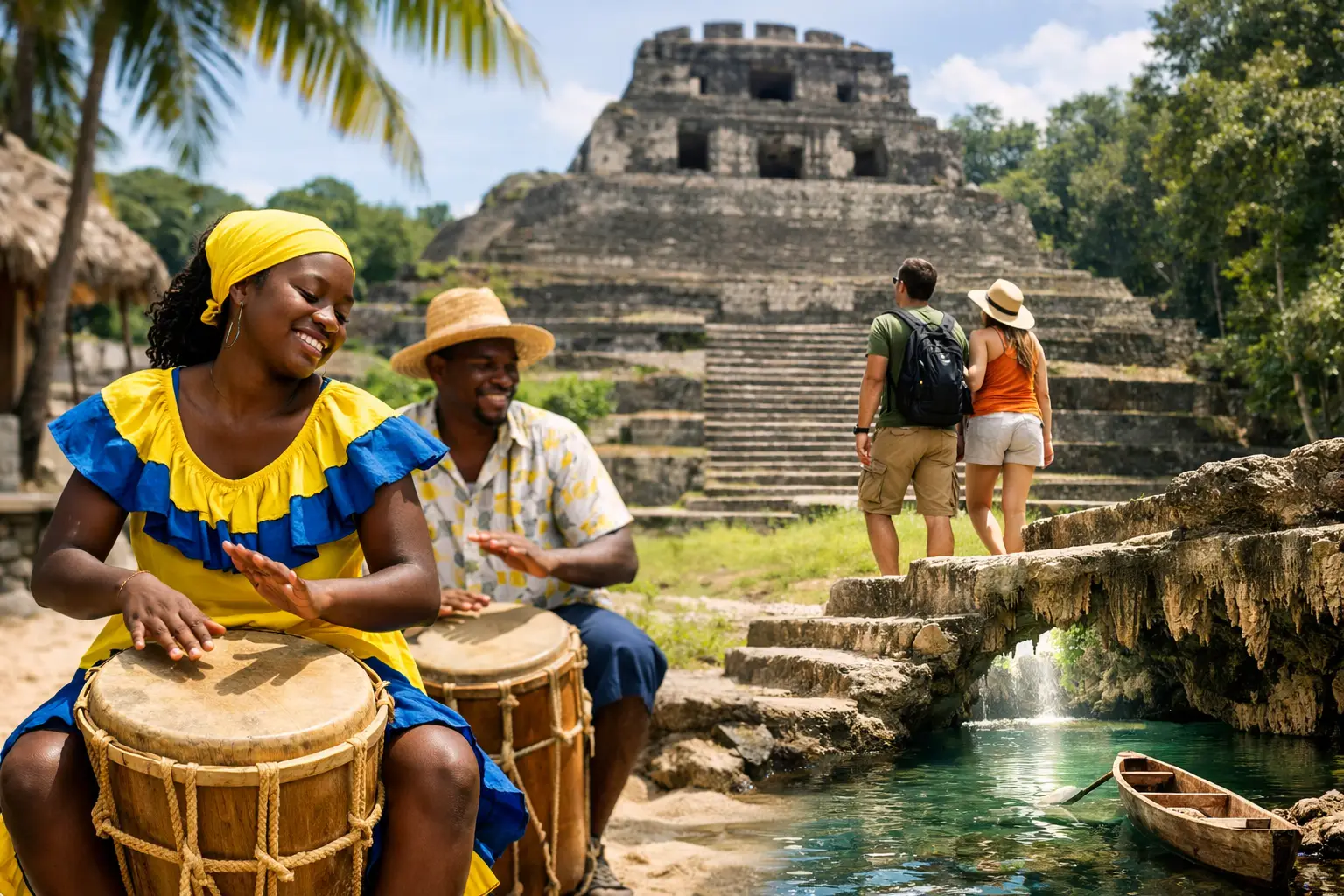
Some of the most memorable moments in Belize happen far from the beach bars and pool decks. You are standing beneath a ceiba tree near an ancient Maya site, listening to how the landscape shaped daily life centuries ago, or moving through a cave once used for ceremony and survival. That is the real appeal of belize cultural heritage tours – they connect history, place, and living tradition in a way that feels immediate, not staged.
For travelers who want more than a checklist, heritage touring inland offers a fuller picture of the country. Belize is not just beautiful. It is layered. Maya history, colonial influences, Creole identity, Garifuna culture, Mennonite farming communities, and modern Belizean life all exist within a relatively small country. The best tours do not try to rush through all of it. They focus on meaningful access, thoughtful guiding, and places where culture is tied to the land.
What makes Belize cultural heritage tours different
A good cultural tour in Belize is rarely limited to standing in front of ruins and hearing dates. The stronger experiences show how people lived, what the environment provided, and why certain places still matter. A Maya temple is more powerful when you understand how its builders worked with astronomy, agriculture, water, and trade. A cave experience means more when it is explained as part of both natural history and spiritual tradition.
That is why inland tours often stand out. The country’s interior holds archaeological sites, cave systems, forest trails, river corridors, and small communities where Belizean culture is not performed for crowds. You see more when the pace is personal and the route is built around conversation rather than volume.
Private touring also changes the experience. Instead of trying to keep up with a large group, you can ask questions, spend more time at the places that interest you, and move at a pace that suits your family or travel style. For some travelers, that means a deeper archaeological focus. For others, it means balancing culture with swimming, wildlife, or a softer adventure day.
The best heritage experiences are tied to place
Belize cultural heritage tours work best when culture is not separated from the environment. Inland Belize makes that easy because the story of the country is written into the terrain.
At Maya archaeological sites, the setting matters as much as the stonework. Temples rise from the forest canopy. Plazas sit within landscapes that once supported farming, trade, and political life. Your guide can point out how rivers, hills, and natural resources influenced settlement patterns. That context turns a ruin into a lived world.
Caves offer another side of heritage. Many travelers come for the adventure, and rightly so. Moving through cave systems by foot, tube, or kayak is unforgettable. But caves are also part of Belize’s cultural story, especially in relation to Maya ritual and belief. The best guides know how to explain that history without overcomplicating it or reducing it to a few dramatic facts.
Even simple moments on the road inland add something. Passing orchards, hearing local place names, or stopping in a village for lunch gives travelers a sense of continuity between past and present. Heritage in Belize is not locked behind glass. It is part of daily life.
How to choose the right Belize cultural heritage tours
Not every traveler wants the same version of a heritage tour, and that is where a little planning helps. Some people want a history-rich day with a major Maya site as the centerpiece. Others want a mixed experience where archaeology is paired with cave tubing, birding, jungle hiking, or a river stop that keeps the day active for kids and couples alike.
If your priority is learning, look for tours led by guides who can interpret the landscape clearly and answer questions without sounding scripted. A strong guide brings the site to life, explains the significance of what you are seeing, and adjusts the conversation to your interest level. That matters more than flashy add-ons.
If your priority is comfort, private touring is often the better fit. You avoid the stop-and-go pace of large coach groups, and you usually get a smoother day from pickup to return. That is especially helpful if you are traveling with family, older relatives, or anyone who wants cultural depth without a rushed schedule.
If your priority is adventure, choose a heritage tour that keeps the story front and center. Active experiences can absolutely be cultural experiences, but only when the guide connects the activity to the land and its history. Otherwise, it becomes just another outing in the jungle.
What to expect on a well-guided inland heritage day
The strongest tours feel relaxed, but they are never accidental. A well-run inland cultural day starts with timing. Early departures usually mean cooler temperatures, quieter sites, and a better overall rhythm. You arrive before the busiest windows and enjoy more space to take in the setting.
From there, guiding makes the difference. A local guide who knows the roads, weather patterns, trail conditions, and historical context can shape the day in real time. If a site is getting busy, they can adjust. If your group is especially curious about Maya history, they can spend more time there. If you want a balance of interpretation and movement, they can keep the day flowing naturally.
Safety and comfort matter too, especially in inland environments where heat, uneven ground, and changing conditions are part of the experience. Professional operators make those factors feel manageable, not stressful. That means clear communication, steady pacing, and practical support without taking away the sense of adventure.
This is where smaller, licensed local operators tend to shine. Companies such as Belize Inland Tours are built around private inland experiences, which means the guide is not trying to deliver a one-size-fits-all script. The day can feel more personal, more grounded, and much less crowded.
Why quieter routes often lead to better cultural experiences
Crowds flatten places. When too many people move through a site at once, it is harder to hear, harder to ask questions, and harder to connect with what you came to experience. Heritage touring benefits from space.
That does not always mean going somewhere obscure. Sometimes it simply means choosing the right time of day, using less congested access points, or working with a guide who knows how to avoid the busiest patterns. Quiet changes the quality of attention. You notice details in carved stone, forest sounds around a plaza, or the cool shift in air as you enter a cave chamber.
There is also a respect factor. Cultural places deserve more than hurried photo stops. A quieter route gives travelers room to engage thoughtfully and gives guides the chance to explain significance without competing with noise and crowd movement.
For couples, this often creates a more intimate travel memory. For families, it gives children space to stay curious rather than overwhelmed. For small groups, it allows conversation to unfold naturally instead of being cut short every few minutes.
The trade-off between seeing more and experiencing more
One common mistake is trying to fit too much into a single day. Belize is compact, but inland travel still takes time, and meaningful heritage touring cannot be rushed without losing the very thing that makes it worthwhile.
A packed itinerary may let you say you saw more places. A better-paced itinerary usually lets you remember more. You absorb more when there is time to walk, ask, notice, and connect one stop to the next. That is especially true with cultural experiences, where interpretation matters as much as the location itself.
It depends on your travel style. If this is your first visit and you want a broad introduction, a mixed day can work well. If cultural depth is the main goal, choose one major heritage anchor and let the day build around it. In most cases, fewer stops and better guiding create the stronger experience.
Belize rewards travelers who slow down just enough to let the place speak for itself. A temple in the forest, a cave shaped by both geology and belief, a conversation with a guide who grew up knowing these landscapes – those are not small details. They are the experience.
When you choose belize cultural heritage tours that value context, privacy, and local knowledge, you come away with more than photos. You leave with a clearer sense of where you have been and why it matters, and that is the kind of travel that stays with you long after the trip ends.

