
 Uncategorized
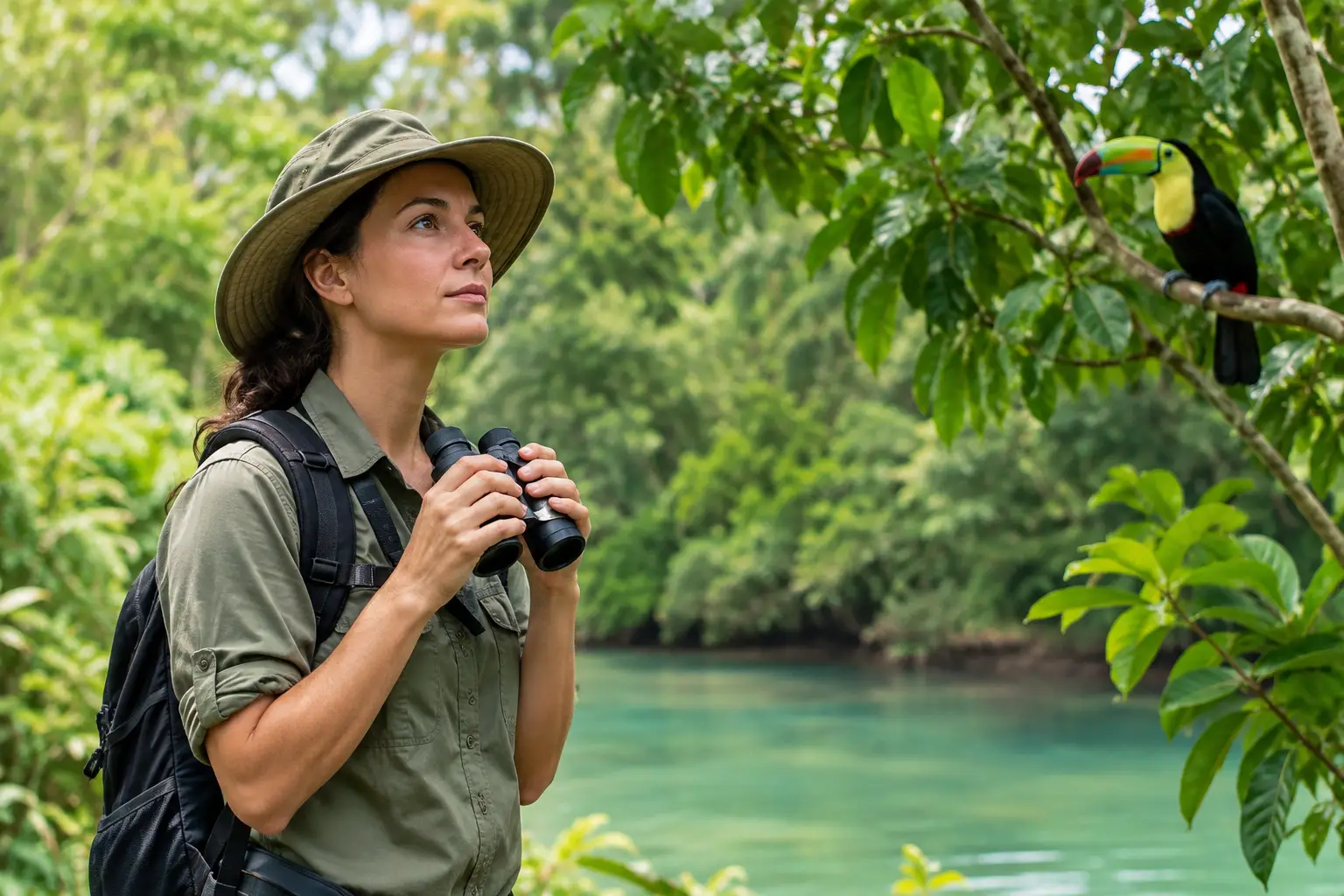
The jungle can look quiet right up until a guide points to the movement you missed: a toucan shifting on a high branch, leafcutter ants carrying bright pieces of green, or the faint track of a creature that crossed the trail before sunrise. A useful Belize jungle naturalist guide review should begin there. The value is not simply having someone lead the way. It is having a local expert turn a walk through dense forest into a place you can actually read, understand, and remember.
For travelers choosing an inland experience, the best naturalist guide is part wildlife interpreter, part careful route planner, and part calm host. That combination matters whether you are visiting with children, traveling as a couple, or arriving with a private group ready for a more active day in Belize.
What a Belize Jungle Naturalist Guide Should Add
A jungle trail is not a zoo path. Wildlife does not arrive on schedule, and the forest does not reveal itself all at once. A knowledgeable guide helps you slow down and look in the right places without promising sightings nature cannot guarantee.
On a good outing, you may learn why a particular bird calls from the canopy, how bromeliads hold water for small forest life, or which trees have been used in traditional ways. You may notice termite nests, strangler figs, medicinal plants, animal tracks, and the changing texture of the forest floor. These details create the deeper experience many visitors hope for when they leave Belize’s coast or resort areas.
Just as valuable is knowing what not to disturb. A responsible naturalist guide does not chase wildlife for a photograph, pick up every creature found along the path, or turn a quiet habitat into a noisy attraction. Respectful observation gives wildlife space and usually produces a better experience for guests as well.
The Difference Between a Guide and a Naturalist
Many guides can lead a trail safely. A naturalist guide brings another layer of awareness. They connect what you see with the larger landscape: the season, recent rain, nearby water sources, forest regeneration, Maya history, and the relationships between plants and animals.
That does not mean every moment should feel like a classroom. The best guides know when to explain and when to let the jungle do the talking. A pause beside a limestone outcrop or at the entrance to a cave can carry its own weight. Good interpretation gives those moments context without crowding them with facts.
Local experience is especially valuable in Belize because the environment can change quickly. Rain can make a trail slick. Warm afternoons can shift bird activity. A guide who knows the area well can adjust the pace, choose a more suitable route, and help guests stay comfortable while still feeling the adventure.
Wildlife knowledge should be honest
Any review of a naturalist-guided jungle experience should look for honesty around wildlife. Belize is home to remarkable animals, including howler monkeys, toucans, coatis, iguanas, bats, and countless insects and reptiles. But it is still wild country, not a guaranteed viewing platform.
A trustworthy guide may say that howler monkeys have been active in a certain area, or that a particular trail is strong for birding early in the day. They should not guarantee a jaguar, tapir, or rare bird simply because those species live in Belize. Real wildlife travel includes patience, chance, and respect for the animals’ own rhythms.
Safety Is Part of the Experience, Not an Interruption
The most memorable jungle day is one where guests feel free to pay attention because the practical details are being handled well. That starts with a guide who checks conditions, gives clear instructions, and matches the activity to the group.
On a jungle hike, this can mean setting a sensible pace, pointing out uneven roots and limestone, offering rest stops, and explaining where footing matters. Near caves or water, it means taking extra care with changing conditions and making sure guests understand the plan before moving forward. Private tours have a real advantage here because the day can be adjusted around the people present rather than forcing everyone into a fixed group schedule.
Comfort matters too. Belize’s inland environment can be hot, humid, muddy, and wonderfully alive. A strong guide prepares guests for that reality without making it sound intimidating. Closed-toe shoes, insect protection, drinking water, light clothing, and a willingness to get a little muddy will go a long way. Families with younger children or travelers who prefer a gentler pace should say so early. The right experience is not always the longest or most challenging route.
Why Smaller Groups Hear and See More
Crowds change a jungle experience. Loud voices, large groups, and rushed schedules can make it harder to hear bird calls or notice small movement in the understory. They can also make a guide’s interpretation feel like a speech delivered on the move.
A private or small-group format creates room for questions. One guest may be interested in birds, another in medicinal plants, and another in caves or Maya history. A skilled guide can follow those interests while keeping the day balanced. There is time to wait quietly at a promising spot, take photographs without pressure, or simply stand beneath the canopy and listen.
This quieter approach is central to the kind of inland travel Belize does best. At Belize Inland Tours, guided experiences are designed around personal attention and lower-crowd access, including time in and around St. Herman’s Blue Hole National Park. The goal is not to collect stops as quickly as possible. It is to experience the forest, caves, and cultural landscape with enough space to take them in.
Questions Worth Asking Before You Book
A review is most useful when it helps travelers choose well. Before booking a Belize jungle naturalist guide, ask how private the outing will be, what fitness level is expected, and how much walking is involved. Ask whether the guide can tailor the day for birding, family travel, photography, or a combination of jungle hiking and cave exploration.
It is also reasonable to ask what happens if weather changes the route. Belize’s rains are part of the landscape, particularly in wetter months, and a professional operator should have clear judgment about when to continue, modify the plan, or choose a different activity. Flexibility is a sign of experience, not a lack of preparation.
If wildlife is your main interest, ask about the best departure time rather than asking for guarantees. Early mornings often offer cooler temperatures and more active birdlife, while other times may work better for your overall travel schedule. The best choice depends on the season, your location, and how adventurous you want the day to be.
What Makes the Experience Worth It
A naturalist-guided jungle tour is worth choosing when you want more than a scenic walk and a few photos. It gives you a clearer sense of Belize as a living place: forest shaped by water and limestone, wildlife moving on its own terms, and trails connected to generations of local knowledge.
The trade-off is that this kind of experience asks something of you. You may need to wake up early, walk carefully, accept humidity, and stay patient when the forest is quiet. In return, you get something more personal than a standard sightseeing stop. You begin to notice the small things, and those are often the moments that stay with you longest.
When you choose your guide, look for calm confidence, local knowledge, respect for the environment, and a willingness to shape the day around your group. Then bring curiosity, listen closely, and leave a little room in the schedule for the jungle to surprise you.
