

 Uncategorized
A Belize cave is never just a hole in the limestone. Step beneath the jungle canopy and into its cool darkness, and the landscape changes quickly: dripping stone, underground streams, chamber walls marked by mineral deposits, and passages that once carried profound spiritual meaning. The sacred caves Belize are among the country’s most powerful cultural landscapes because the ancient Maya understood them as places where the human world met the realm of gods, ancestors, rain, and rebirth.
For travelers, that meaning changes the experience. A cave tour can be fun, active, and refreshing on a warm day, but it can also be a chance to move through a place with real history beneath your feet. The best visits leave room for both adventure and respect.
Why Caves Were Sacred to the Maya
The Maya lived in a world shaped by cycles of rain, corn, rivers, seasons, and the movement of celestial bodies. Caves held a special place within that worldview. Their dark entrances, deep chambers, and underground water were understood as thresholds to the underworld, often called Xibalba in Maya tradition.
This did not mean caves were simply feared. They were places of communication and ceremony. Maya communities entered certain caves to make offerings, seek rain, honor deities, and carry out rituals connected to agriculture and community life. Water emerging from the earth was especially meaningful in a region where rainfall determined harvests.
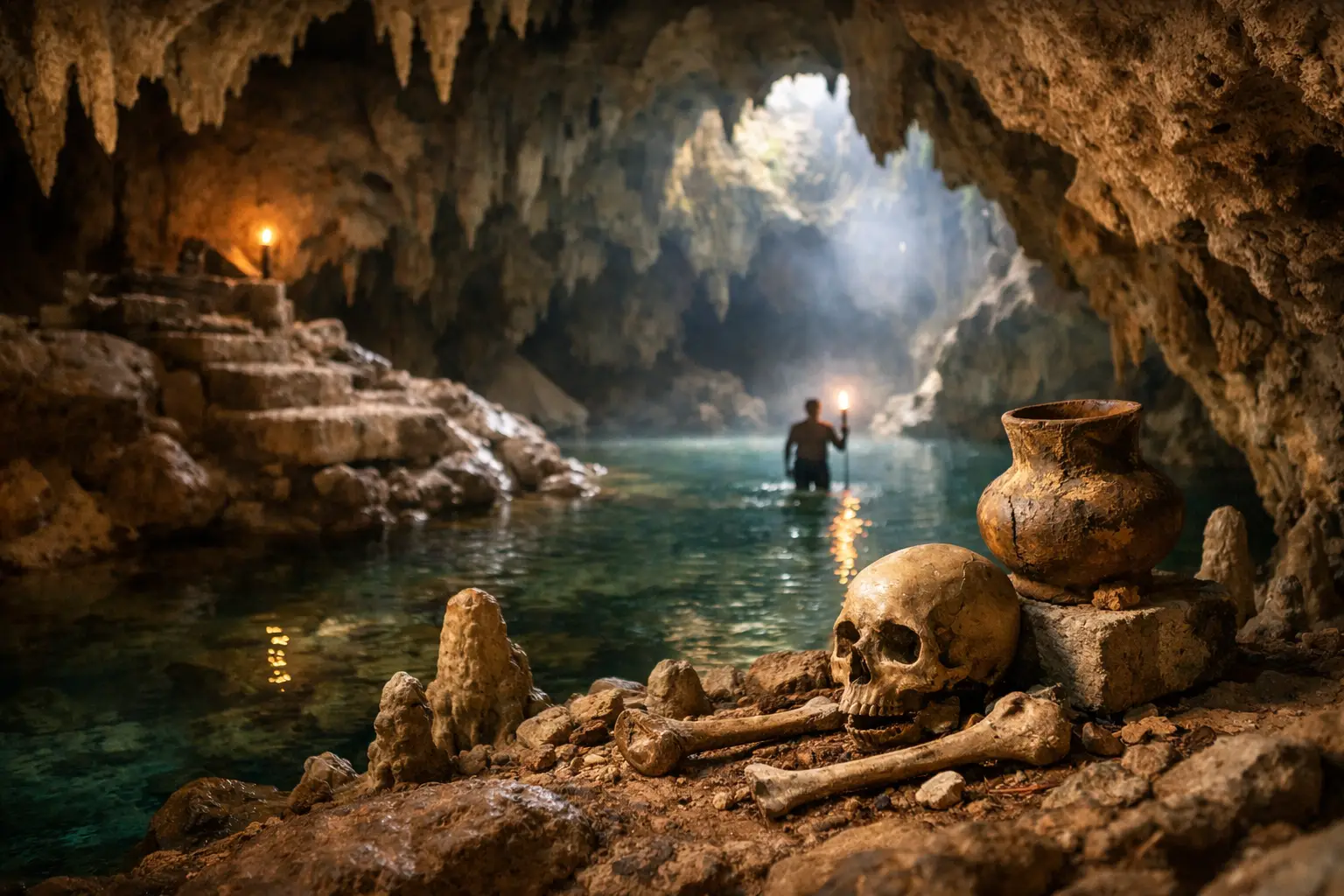
Inside caves, archaeologists have found pottery, stone tools, human remains, charcoal, and other evidence of ceremonial use. Some objects were deliberately broken as part of a ritual act rather than discarded by accident. Every chamber tells a different story, which is why responsible guides avoid treating caves as museum displays or thrill rides alone.
Sacred Caves Belize: A Landscape Below the Jungle
Belize sits on a limestone foundation riddled with caves, sinkholes, springs, and underground rivers. The country’s interior, particularly around the Cayo District and the St. Herman’s area, offers an unusual combination of accessible caves, dense rainforest, and Maya heritage.
Not every cave was used in the same way. Some likely served as ceremonial spaces, while others were practical shelters, water sources, or travel routes. In some locations, evidence points to repeated ritual visits over generations. In others, the natural setting itself is the main draw: a river flowing through limestone, bats settling high above, or formations built drop by drop over thousands of years.
That variety matters when choosing an outing. A highly archaeological cave experience may involve hiking, wading, and strict site rules. A cave tubing or kayaking trip may focus more on the living river system and the rainforest around it, while still providing cultural context. Neither is automatically better. It depends on whether you want a more physically demanding archaeological visit, a gentler family-friendly adventure, or a private experience that combines both nature and Maya interpretation.
What a Respectful Visit Looks Like
The most memorable cave experiences are not rushed. Your guide should give you time to adjust to the darkness, point out the natural features around you, and explain why certain areas require extra care. In a sacred setting, small choices matter.
Stay on designated paths and follow your guide’s instructions, especially near artifacts, exposed bones, pottery fragments, and fragile formations. Oils from hands can damage cave surfaces, while a single misplaced step can disturb evidence that has remained in place for centuries. Take photographs only where permitted, and never remove a stone, shard, feather, or other natural object as a souvenir.
Respect also means leaving the cave quieter than you found it. Voices carry in enclosed chambers, and wildlife may be nearby. Bats, insects, fish, and other cave-adapted species are part of the environment, not background scenery. A calm group helps protect both the wildlife and the sense of place that brought you underground in the first place.
Adventure and Safety Go Together
Caves can look peaceful, but their conditions change with weather, water levels, footing, and seasonal rain. That is why local guidance is not an extra. It is part of a safe experience.
A professional guide reads the conditions before entering, selects routes appropriate for the group, and explains how to move through wet or uneven areas. Depending on the cave and activity, you may need a helmet, life jacket, headlamp, sturdy water shoes, or a dry bag. You should expect your guide to be clear about what is involved rather than promise that every tour suits every traveler.
Families with younger children may prefer a calmer river cave route with flotation gear and shorter walks. Active travelers may enjoy a longer jungle approach, swimming sections, or cave kayaking. Guests with limited mobility, strong claustrophobia, or concerns about swimming should discuss those needs honestly before booking. Belize’s caves are welcoming, but the right cave is different for every group.
The Value of a Private Cave Experience
A private guided outing creates space for a more personal connection with the landscape. Instead of moving at the pace of a large group, you can pause when a guide explains a formation, ask questions about Maya beliefs, listen for birds on the trail, or simply take in the stillness of an underground chamber.
It also makes practical sense. A private guide can tailor the day around your interests and comfort level, whether that means more time in the water, a slower jungle walk, or a stronger focus on cultural history. For couples, families, and small groups, that flexibility often feels less like a scheduled attraction and more like being hosted by someone who knows the country well.
At Belize Inland Tours, that local perspective is central to the experience. Guides share the practical knowledge that keeps an outing comfortable and safe, but they also help visitors see the connection between cave, forest, water, and the Maya communities who have long understood this landscape as more than scenery.
How to Prepare for a Cave Day in Belize
Pack for water, mud, and changing temperatures. The jungle can feel hot and humid, while cave interiors are cooler and damp. Quick-dry clothing, secure water shoes or closed-toe sandals, a swimsuit when the activity includes swimming or tubing, and a change of clothes for afterward are usually wise choices.
Bring only what you can keep secure. A waterproof case for your phone and a dry bag for essentials are useful, but leave valuables behind when possible. Sunscreen and insect repellent belong on the jungle portion of the day, though guides may ask you to avoid applying certain products immediately before entering water-sensitive areas.
Most of all, arrive ready to listen. The caves reward curiosity. Ask why a river disappears underground, how stalactites form, what evidence archaeologists have found, and how modern Belizeans relate to Maya heritage. A good guide will welcome those questions and know when the answer is certain, when it is a well-supported interpretation, and when the past still holds its secrets.
More Than an Underground Attraction
The strongest cave memories tend to be quiet ones: your first step from bright jungle into cool shadow, the sound of water moving through stone, or the realization that people stood in the same chamber centuries ago with intentions we can only partly understand.
Visit the sacred caves of Belize with a sense of adventure, but leave space for reverence too. The darkness is not empty. It carries water, wildlife, geology, and a long human story – and the more carefully you travel through it, the more of that story you can feel.

