

 Uncategorized
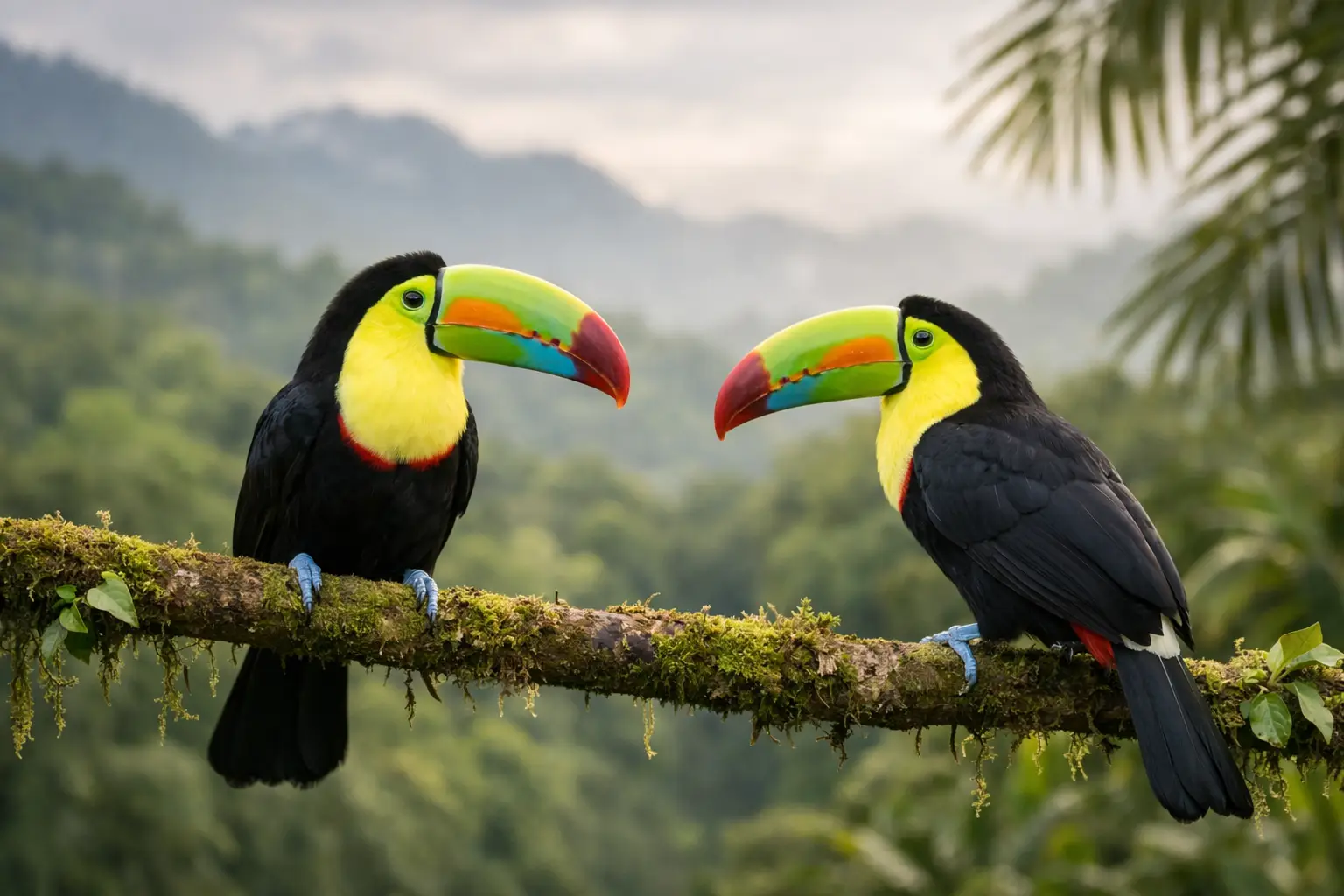
The first toucan call often reaches you before the bird does. It carries through the canopy in a quick, rough chatter, then a flash of green, yellow, red, and black appears high above the trail. For travelers wondering when to see toucans in Belize, the encouraging answer is that these birds live here year-round. The better question is how to put yourself in the right forest, at the right hour, with enough time to look up.
Belize is home to the keel-billed toucan, the country’s national bird, along with other toucan relatives such as the collared aracari. They are not birds of one brief migration window. Still, weather, fruiting trees, trail conditions, and the rhythm of the day all affect what you are likely to see.
When to See Toucans in Belize
For the strongest overall chance, plan your bird watching for early morning, ideally from first light until around 9:00 a.m. Toucans are often most active then, moving through the upper forest canopy to feed and calling to one another before the heat builds. Late afternoon can also be productive, particularly in quieter forest areas, but mornings usually offer better light, cooler temperatures, and more consistent bird activity.
The dry season, generally December through May, is often the easiest time for many visitors to explore Belize’s inland forests. Trails are typically more comfortable underfoot, rain interruptions are less frequent, and a clear morning can make it easier to scan the treetops. This is a practical advantage, not a guarantee. Toucans can stay surprisingly hidden behind leaves even when they are calling from very close by.
The green season, roughly June through November, should not be overlooked. The rainforest feels fuller, fruit can be plentiful, and birds remain active. Afternoon rain showers are more common, humidity is higher, and some trails may be muddier, but the forest can be especially alive after rain. Travelers who are comfortable with changing weather and prefer lush, quieter landscapes may find this season deeply rewarding.
Why the Time of Day Matters More Than the Month
A toucan’s oversized bill makes it easy to recognize once you see it. Finding one is another matter. Toucans spend much of their time in the canopy, where their colorful feathers can disappear among filtered light, leaves, and branches. They also do not follow a schedule for visitors.
Early starts improve the odds because the jungle is still relatively cool and active. You may hear parrots, woodpeckers, motmots, and howler monkeys as the forest wakes, while toucans travel between feeding areas overhead. A guide who knows the calls can help narrow down where to look rather than having everyone stare at every moving leaf.
Patience matters as much as speed. A rushed stop on a busy roadside may produce a quick sighting, but it rarely provides the best wildlife experience. In a quieter section of forest, it is possible to pause, listen, and let the birds resume their natural movement. That is often when a toucan settles into view long enough for a clear photograph or a memorable look through binoculars.
The Best Habitats for Toucan Sightings
Toucans favor forested environments with mature trees, fruiting plants, and connected canopy cover. Belize’s inland landscapes offer excellent habitat, especially around broadleaf forest, protected parkland, and less-developed jungle corridors. The key is spending time in a place where the forest is intact enough for birds to feed, perch, and move without constant disturbance.
St. Herman’s Blue Hole National Park and the surrounding inland areas are particularly well suited to travelers who want to combine wildlife viewing with a deeper jungle experience. A morning hike, a pause near a fruiting tree, or time spent walking between cave and forest environments can reveal much more than a single species. Toucans may be the hoped-for sighting, but the reward often includes the soundscape and smaller details of the rainforest too.
Forest edges can also be productive, especially where tall trees meet clearings or quiet access roads. The trade-off is that edge habitat can be hotter and noisier later in the day. Deep forest often feels more immersive, while an edge can offer a more open view of birds flying between trees. A good outing balances both rather than treating wildlife watching as a checklist.
Look for Food, Not Just Bright Feathers
Toucans eat a varied diet that includes fruit, insects, and small animals, but fruiting trees are a major reason they gather in an area. Local guides pay attention to what is happening in the forest at that moment: which trees are producing, where birds have been calling, and whether recent weather has changed activity patterns.
This is why no responsible guide should promise a toucan on demand. Wildlife is wild. What experienced local knowledge can do is give you a far better chance by choosing the right habitat, starting at a useful hour, moving quietly, and adjusting to conditions on the ground.
Dry Season or Green Season: Which Should You Choose?
Choose the dry season if you want easier hiking conditions, predictable planning, and comfortable early-morning outings that can pair well with caves, Maya sites, or jungle walks. It is a strong fit for families and travelers who have a limited number of inland days and want to make the most of each one.
Choose the green season if you enjoy dramatic rainforest scenery, do not mind a little mud, and appreciate a more atmospheric forest experience. Rain can change plans, particularly later in the day, so flexibility helps. But a fresh, rain-cooled morning in the jungle can be outstanding for bird life, and the softer visitor numbers can make the experience feel even more personal.
In either season, avoid building your entire Belize itinerary around one wildlife sighting. Plan a private inland day that is rewarding on its own, whether that means cave kayaking, a nature walk, or time learning about the landscape and Maya history. Then a toucan sighting becomes what it should be: a thrilling moment in a much larger adventure.
How to Improve Your Chances Without Disturbing the Birds
Wear neutral colors when possible and keep voices low on the trail. Bright clothing does not automatically scare every bird, but quiet movement and a calm group make a real difference. Avoid playing bird calls from a phone to attract toucans. It can disrupt natural behavior, especially during breeding and nesting periods.
Bring binoculars if you have them, though a guide can often help position you for a better view with the naked eye. A camera with some zoom is useful, but do not spend the whole encounter looking through a screen. Toucans sometimes appear for only a few seconds before shifting behind foliage, and the best memory may be the call, the color, and the feeling of seeing Belize’s national bird in its own forest.
Private guiding is especially valuable for bird watching because the pace can follow the wildlife. Belize Inland Tours can build more time into a quiet inland outing, allowing guests to slow down when calls are heard rather than moving on because a large group has a fixed schedule.
Plan for a Morning, Stay Open to Surprise
The best time to look for toucans is early morning, and the dry season offers the simplest conditions for many travelers. But Belize’s toucans live in these forests throughout the year, and a thoughtful approach matters more than chasing a single perfect date. Start early, enter a quiet stretch of jungle with a knowledgeable guide, and give the canopy time to reveal what is already there.

