

 Uncategorized
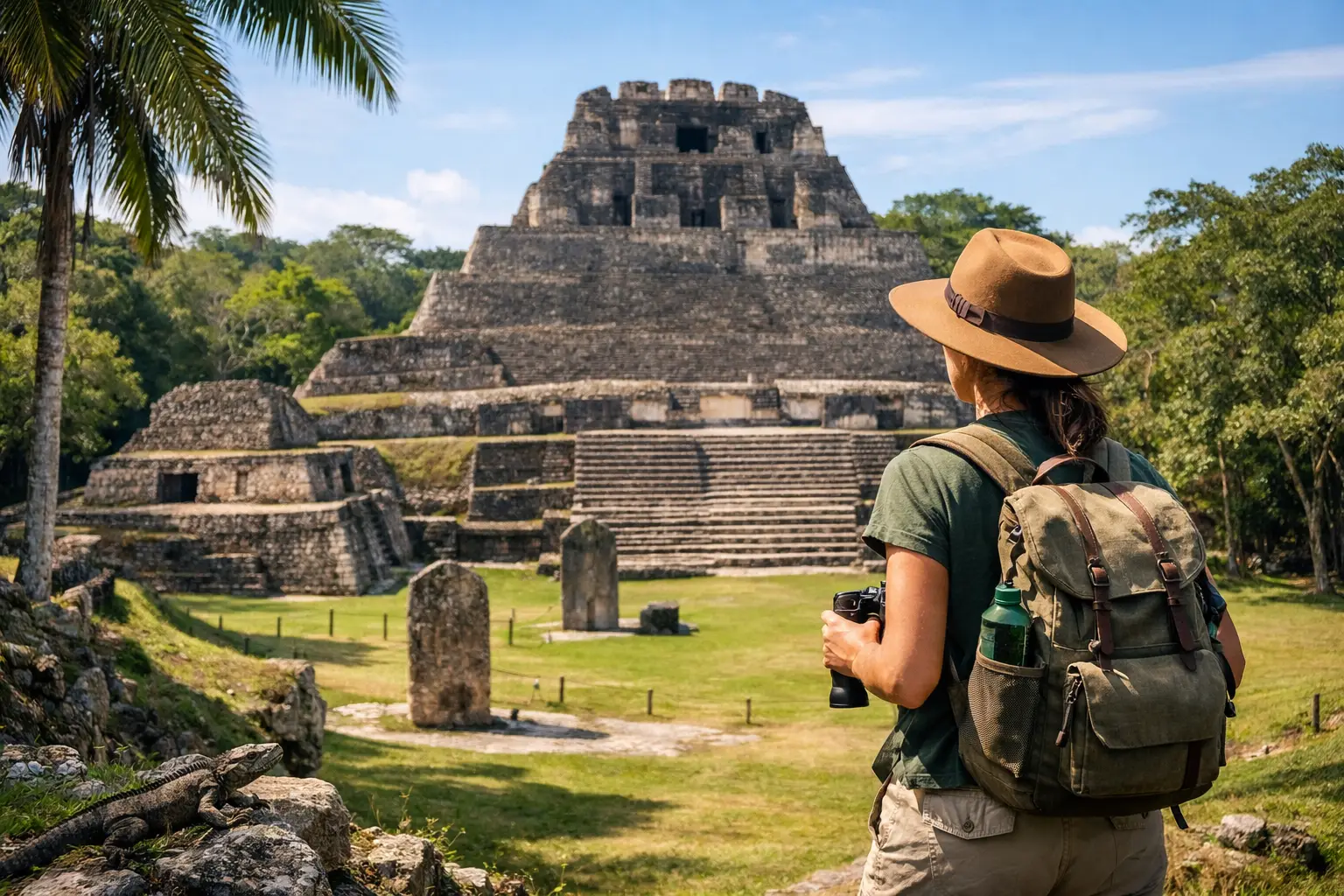
A Maya site is not a jungle backdrop or a box to check between breakfast and the beach. It is part of a living cultural landscape, shaped by the ancestors of Maya communities who still call Belize home. Learning how to visit Maya sites responsibly changes the experience: you notice more, ask better questions, and leave knowing your visit supported rather than diminished a remarkable place.
Belize offers extraordinary access to ancient Maya cities, from hilltop plazas near San Ignacio to remote forest centers where howler monkeys call above the temples. That access comes with a shared responsibility. Archaeological sites are vulnerable to weather, roots, footsteps, and well-meaning visitors who may not realize that a small action can cause lasting damage.
Start With Respect for Living Maya Culture
The Maya civilization is not a vanished people frozen in the past. Maya people live throughout Belize, speaking Maya languages, maintaining food traditions, farming knowledge, crafts, stories, and family ties to the land. When a guide speaks about ancient Maya life, listen with the understanding that this is cultural heritage with present-day meaning.
Avoid referring to Maya sites as “lost cities” or treating the people who built them as a mystery without descendants. The history is complex, sophisticated, and still being studied, but it is not disconnected from the communities around you.
A thoughtful guide can add context that a signboard cannot. Ask about the site’s role in regional trade, water management, astronomy, agriculture, and daily life. Ask how conservation work is done and what local communities want visitors to understand. These are more rewarding questions than asking only which structure is tallest.
Follow Site Rules, Even When No One Is Watching
Rules at Maya sites are there to protect people and places. Some structures may be open for climbing while others are closed because their stonework is unstable or because repeated foot traffic is wearing away original surfaces. Access can change after rain, restoration work, or safety inspections, so follow the guidance given on the day of your visit.
Stay on marked paths and use designated steps. Cutting across a mound may look harmless, but many unexcavated structures are beneath the earth and vegetation. A path also helps protect fragile plants, nesting areas, and the soil that holds archaeological layers in place.
Do not sit, stand, or lean on carved stones, stelae, altars, or walls. Oils from hands, abrasion from bags, and repeated contact all take a toll. Never scratch initials, stack stones, or move objects for a photo. If you find pottery fragments, worked stone, shells, or anything that appears old, leave it exactly where it is and tell a site ranger or guide. Its location is often as valuable to archaeologists as the object itself.
Drones, tripods, costume shoots, commercial filming, and large equipment can require advance permission. Do not assume that a quiet ruin means unrestricted access. Check with site staff before flying anything or setting up a shoot.
Choose a Guide Who Adds Context, Not Crowds
A responsible visit is not necessarily the fastest one. It is often a slower morning with a knowledgeable local guide who can read the landscape, explain what you are seeing, and help your group move through the site with care.
Private or small-group tours can be a good fit for travelers who prefer a quieter pace, especially at sites where early arrival makes a real difference. Fewer people in your group can mean less noise, less pressure to rush, and more room to ask questions. Still, a private experience is only responsible when the operator follows site regulations, keeps groups on approved routes, and treats interpretation with respect.
Look for licensed guides who are clear about safety, entrance procedures, and the limits of access. A good guide will not encourage you to cross barriers for a better photograph or present speculation as fact. They will tell you when an answer is uncertain, because Maya archaeology is an active field and new findings continue to refine what we know.
At Belize Inland Tours, that local perspective is part of the experience. A well-led inland day should leave room for the ruins themselves, the forest around them, and the stories that connect both.
How to Visit Maya Sites Responsibly With Your Camera
Photography helps preserve a memory, but it should not become the only reason you are there. Before photographing people, especially local vendors, guides, families, or ceremonial activity, ask first. A smile and a simple question go a long way.
At the ruins, keep your camera bag close so it does not brush against masonry. Do not climb beyond approved areas to get an elevated angle, and do not move plants, stones, or ropes to improve a composition. If a site prohibits flash or photography in a specific area, respect that instruction without debate.
The best images usually come from patience. Wait for other visitors to pass, photograph from the path, and let the texture of limestone, the shade of the forest, or the scale of a plaza do the work. You do not need to turn a sacred or historic setting into a stage set to make it memorable.
Leave the Forest and the Ruins Undisturbed
Many Belize Maya sites sit within rich wildlife habitat. The same day may include toucans, agoutis, orchids, leafcutter ants, and the deep sound of howler monkeys moving through the canopy. Treat the natural setting as carefully as the architecture.
Carry a refillable water bottle and pack out every piece of trash, including fruit peels, tissues, and snack wrappers. Organic waste does not belong at a site simply because it breaks down. It can attract animals, alter feeding habits, and make a place feel neglected.
Use insect repellent and sunscreen thoughtfully. Apply them before entering sensitive areas, avoid spraying near water or wildlife, and choose products that are appropriate for outdoor travel. In the rainy season, trails can be muddy and stone steps slippery. Wear shoes with grip rather than stepping off a path to avoid a puddle.
Do not feed animals or call out to them for a closer look. Wildlife encounters are more meaningful when they happen on the animals’ terms. Quiet movement also makes it easier to hear the forest, which is one of the great pleasures of visiting inland Belize.
Spend in Ways That Respect the Place
Entrance fees, official guides, local meals, community-made crafts, and locally owned tour services can all help keep cultural tourism connected to Belizean livelihoods. If you buy a souvenir, choose something made locally and ask about the maker or materials. A handwoven item, wood carving, or locally produced food has more value when you understand the work behind it.
Never buy artifacts, ancient-looking pottery, carved stone pieces, or objects said to have come from a ruin. Removing and trading archaeological material strips it of context and can fuel illegal excavation. If an item seems questionable, walk away.
Respectful spending also means accepting that not every cultural experience is yours to enter. Some events, villages, or ceremonial practices may have boundaries around participation and photography. Follow local direction without treating those boundaries as a disappointment. Respect is not passive. It is the choice to let communities define what they share.
Prepare for a Better, Safer Day
Responsible travel begins before you reach the entrance. Bring water, rain protection, comfortable clothing, closed-toe shoes, and enough cash for legitimate fees or small local purchases when appropriate. Belize’s heat and humidity can surprise visitors, particularly on exposed plazas where limestone reflects the sun.
Tell your guide about mobility concerns, medical conditions, or worries about heights before the tour begins. Some sites involve uneven trails, steep stairways, and long walks between structures. There is no prize for pushing beyond your comfort level. The right route depends on your group, the weather, and which areas are open that day.
Give yourself time. Rushing encourages shortcuts, missed safety instructions, and shallow experiences. A quieter visit can mean arriving early, choosing one site rather than trying to race through several, and pausing long enough to understand why a temple, ball court, reservoir, or carved monument mattered.
The most respectful visitors do not try to conquer a Maya site. They arrive curious, move carefully, listen closely, and leave the stones, forest, and stories intact for the people who will follow.

