
 Uncategorized
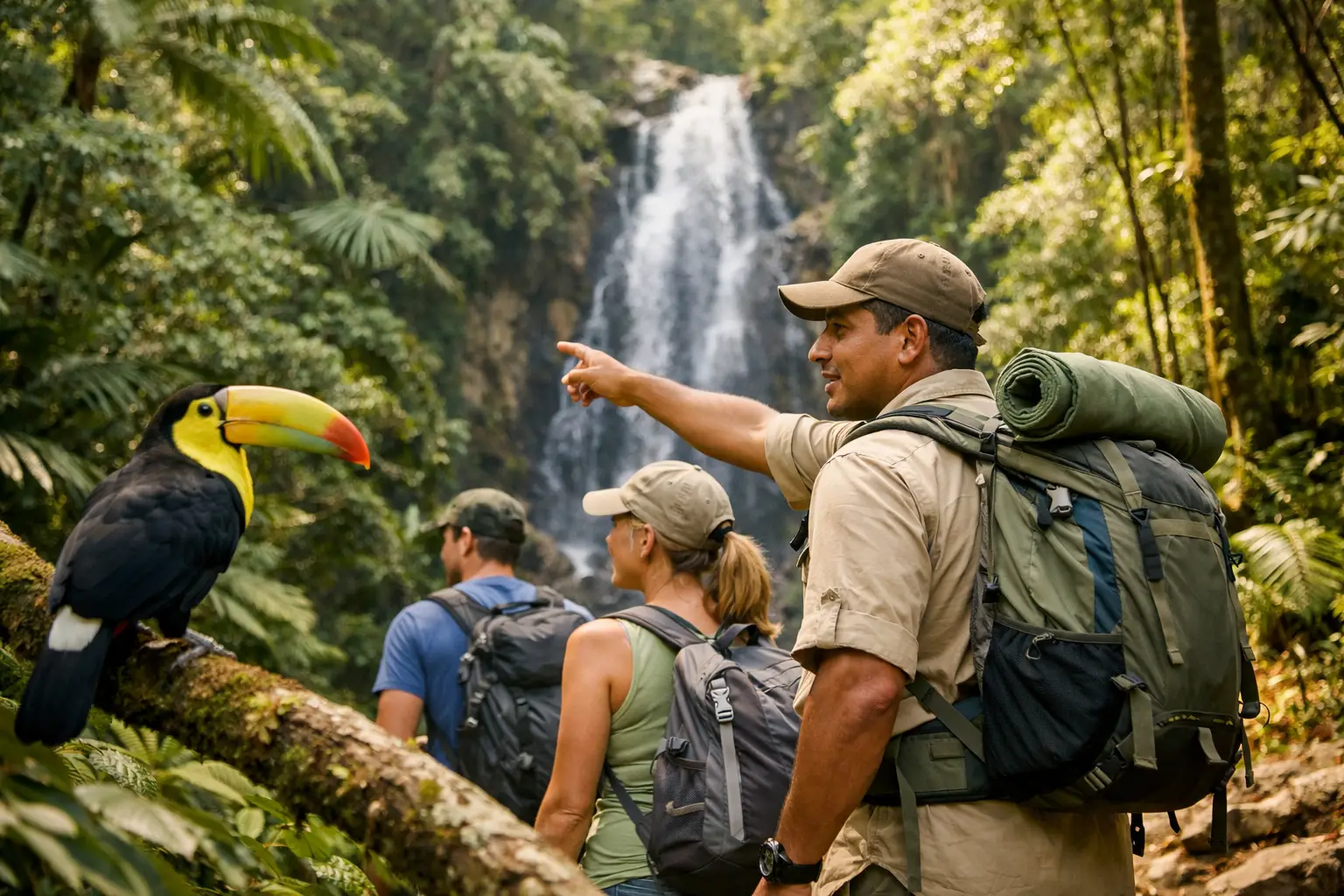
The jungle does not operate on a sightseeing schedule. A toucan may call from the canopy before you see it. A troop of howler monkeys can turn a quiet trail into a full morning chorus. And a guide may pause beside what looks like an ordinary tree to point out a traditional use, animal tracks, or the entrance to a hidden limestone feature. That is how jungle hiking tours work at their best: they move at the pace of the forest, with a local guide helping you notice what you would otherwise walk past.
For visitors to Belize, a guided jungle hike is more than a walk in tropical scenery. It is a chance to experience the inland landscape with greater context, comfort, and awareness. The route, pace, terrain, and level of adventure can vary, but a well-run private hike is built around your group rather than a large bus schedule.
How Jungle Hiking Tours Work From Start to Finish
Most jungle hiking tours begin with a meeting point or pickup, followed by a short introduction to the day’s route. Your guide will explain the expected trail conditions, walking time, weather considerations, and any safety points specific to the area. This is also the right time to mention a knee concern, a preference for a gentler pace, or an interest in wildlife, plants, caves, or Maya history.
In Belize, the experience often starts before the trailhead. The drive inland can reveal changing landscapes, from open farmland and village roads to dense broadleaf forest. Once you arrive, your guide checks that everyone has water, suitable footwear, and what they need for the walk. On private tours, this preparation is more personal. There is room to ask questions and adjust the outing without trying to keep up with a crowd.
On the trail, the guide sets a comfortable rhythm. Jungle hiking is not usually about covering the most miles. It is about moving carefully over roots, stones, leaf-covered slopes, and occasionally damp ground while paying attention to the living environment around you. Stops are part of the experience, not a delay.
A guide may point out leafcutter ant trails, orchids, medicinal plants, bird calls, or signs that an armadillo, coati, or tapir has passed through. Wildlife sightings can never be guaranteed, and the forest does not perform on command. Still, experienced local guides know when to listen, where to look, and which quiet sections of trail offer the best chance for meaningful encounters.
The pace depends on your group and the trail
A jungle hike can be suitable for active families, couples, first-time hikers, and travelers who simply want to spend time outdoors. It can also be more demanding for guests seeking steeper terrain, longer distances, or a survival-style experience. The key difference is matching the route to the group.
A shorter trail near a park facility may have clearer paths and more gradual walking. A deeper forest route may involve uneven ground, narrow passages, creek crossings, or humid conditions that make a moderate hike feel more challenging. Your guide should be honest about those trade-offs before the hike begins.
Belize Inland Tours focuses on private inland experiences, which allows the hike to feel less rushed and more responsive to your group’s abilities. If you want extra time for bird watching, photographs, or questions about local plants and history, there is space to do that. If the afternoon rain begins early, the guide can make practical decisions based on the conditions rather than forcing a fixed group itinerary.
What a Local Guide Adds to a Jungle Hike
You can walk a trail on your own and enjoy the views. But the jungle becomes far more readable with someone who understands the place. Local knowledge turns sounds into species, plants into stories, and a simple path into a connection with Belize’s natural and cultural landscape.
Guides also help with the details that make hiking safer and more enjoyable. They know how seasonal rain changes the ground, which trails are more exposed, where footing needs extra attention, and when it is best to turn back. In a tropical setting, good judgment matters more than trying to prove how tough you are.
The cultural layer is just as valuable. Belize’s forests are connected to generations of Maya knowledge, rural life, traditional plant uses, and conservation efforts. Depending on the route, a guide may share how certain trees were used, why caves and waterways hold cultural importance, or how local communities relate to the surrounding landscape. These conversations add depth without turning the hike into a lecture.
Safety is active, not restrictive
A professional jungle hiking tour does not remove the sense of adventure. It gives it structure. Guides monitor weather, terrain, hydration, and the energy level of the group throughout the outing. They also help guests avoid common problems, such as stepping too quickly on slick limestone, underestimating humidity, or wandering from the trail for a photograph.
Belize’s jungle is beautiful because it is real and alive. Heat, mud, insects, sudden rain, and uneven paths are part of that reality. With the right preparation, they are manageable parts of the day rather than unpleasant surprises.
What to Wear and Bring for Jungle Hiking in Belize
Comfortable, broken-in walking shoes with good grip are usually the best choice. Closed-toe shoes protect your feet and give more stability on roots and rocky ground. Sandals may work for a very easy, dry walk, but they are rarely the strongest option for a true jungle trail.
Choose lightweight clothing that you can move in. Long sleeves and long pants can provide extra protection from sun, brush, and insects, though many hikers prefer breathable shorts on gentler routes. A hat, sunscreen, insect repellent, and a reusable water bottle are practical essentials. A small daypack keeps your hands free on uneven terrain.
Bring a rain layer during the wetter months, but do not assume rain will ruin the hike. In Belize, brief showers can cool the forest, bring out fresh scents, and make the greenery even more vivid. Heavy rain, lightning, or unsafe trail conditions are different matters, and your guide will decide whether to alter the route or timing.
Leave valuables and unnecessary gear behind. If you bring a camera or phone, use a secure strap or waterproof pouch. The best photographs often come after you have settled into the walk, stopped trying to capture everything, and begun noticing the small details around you.
Choosing the Right Jungle Hiking Experience
Before booking, think about what you want the hike to feel like. Do you want a relaxed nature walk with opportunities to spot birds and learn about plants? Are you hoping to combine hiking with a cave, swimming area, or Maya site? Or do you want a more rugged route that tests your footing and takes you farther from the usual visitor areas?
Be clear about fitness levels in your group. A good operator will not oversell an easy trail to someone looking for a challenge, and will not place a beginner on terrain that causes stress. Private tours are especially helpful for mixed groups because the guide can keep the pace reasonable and recommend a route that works for everyone.
Ask about the expected walking distance, elevation, trail surface, restroom access, water, and whether the tour is affected by rain. Those practical questions do not take away from the adventure. They help ensure that the experience feels exciting for the right reasons.
The quiet moments are often what travelers remember most: stopping beneath giant trees, hearing wings move through the canopy, or following a trail that seems to disappear into green. Give yourself permission to slow down. The jungle has plenty to show you when you do.

