

 Uncategorized
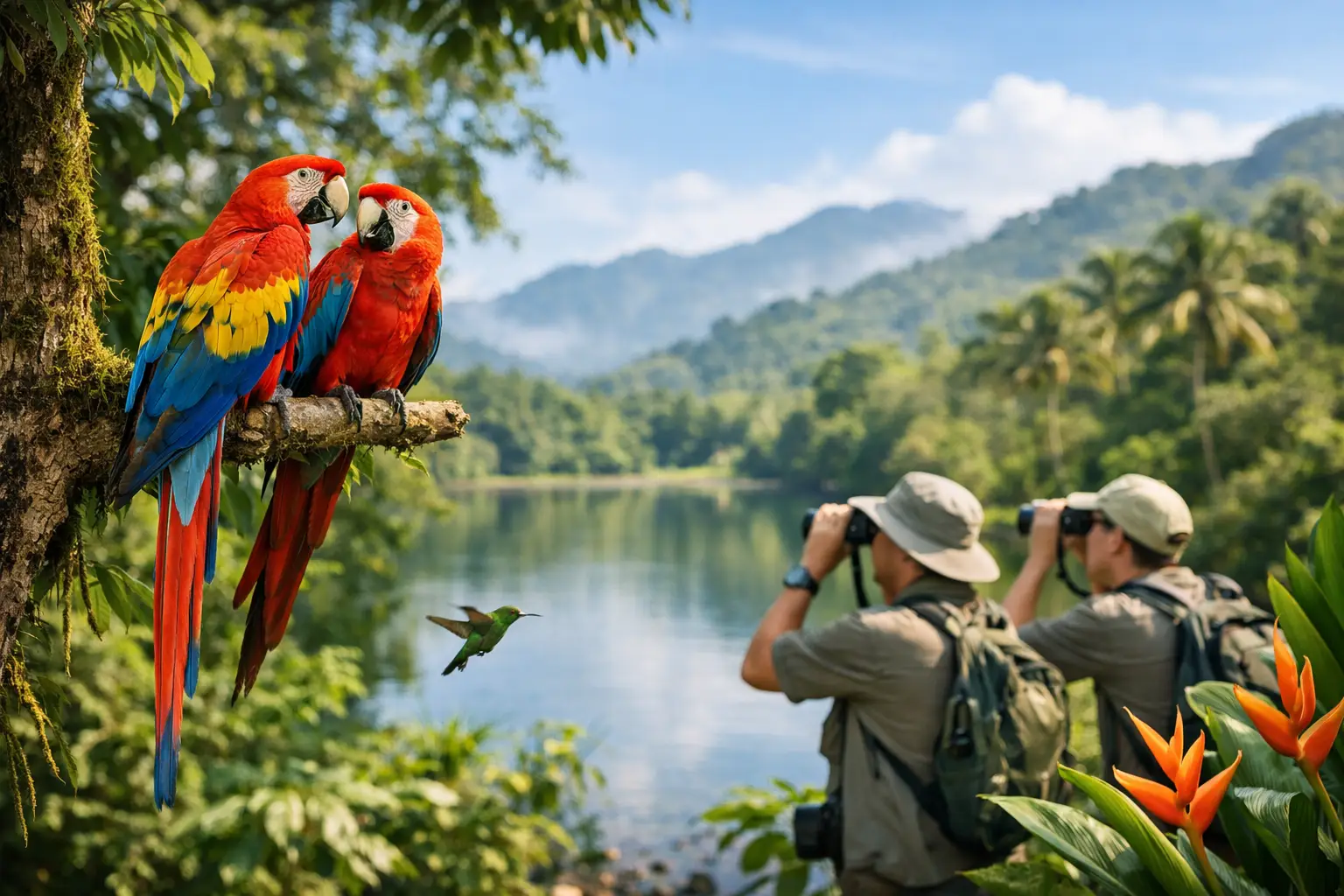
A keel-billed toucan calling from the canopy, a bright motmot sitting quietly above a jungle trail, a quick flash of a warbler in the leaves – these are the moments that make travelers ask, when is Belize birding season? The simple answer is that Belize is rewarding for birding all year. The better answer depends on what you most hope to see, how comfortable you are in warm or wet weather, and whether you want to pair birding with caves, Maya sites, or a day in the forest.
Belize sits along a major migration route and protects a remarkable mix of broadleaf forest, pine ridge, wetlands, rivers, coastal habitats, and lowland jungle. That variety gives visiting birders strong options in every season. For many travelers, the best overall window is December through April, when visiting migrants add to the resident birds and inland trails are generally easier to explore. But the green season brings its own rewards, including active nesting behavior, lush forest, and quieter conditions.
When Is Belize Birding Season at Its Best?
For the widest mix of pleasant conditions and bird activity, plan a Belize birding trip between December and April. These are broadly the drier months, especially from February through April. Morning walks tend to be more comfortable, trails are often less muddy, and birds can be easier to spot before the heat builds.
This period also overlaps with the presence of many North American migratory birds. Warblers, vireos, flycatchers, and other seasonal visitors move through or spend the winter in Belize, adding variety to an already rich resident bird population. In the same forest, you may encounter species that travelers come to Belize specifically to find, such as toucans, trogons, motmots, hummingbirds, woodcreepers, tanagers, and parrots.
That said, the dry season is not a guarantee of dry weather every day. Belize is tropical, and a passing shower can arrive in any month. It is also a popular travel period, particularly around holidays. Choosing a private, inland-focused outing can make a real difference if you prefer unhurried birding over busy stops and large groups moving down the same trail.
December Through February: Migrants and Comfortable Mornings
December through February is a strong choice for travelers escaping winter weather at home. The mornings are often cool by Belize standards, the forest feels alive early, and migratory songbirds are part of the daily mix. It is an excellent time for first-time visitors who want to combine bird watching with cave tubing, cave kayaking, or cultural touring without dealing with the wettest trail conditions.
Birding at this time rewards patience. A forest may seem quiet for a few minutes, then a mixed flock moves through the mid-canopy and the leaves suddenly hold far more life than expected. A guide who knows the calls and feeding patterns can help you slow down at the right places rather than simply walking past the action.
March Through May: Productive Birding Before the Heavier Rains
March through May can be especially satisfying for birders who enjoy active mornings and warmer weather. By late spring, some resident species are entering or continuing their breeding cycle, and vocal activity can be impressive around first light. Hummingbirds may be busy around flowering plants, while forest birds announce themselves from cover.
April and May can feel hot by midday, so this is a season for an early start. The most productive birding is usually from dawn through the first few hours of daylight, with a second opportunity later in the afternoon as temperatures ease. Midday is better used for a shaded cave experience, a relaxed lunch, or time near water rather than expecting constant activity on an exposed trail.
May also marks a transition. Rain becomes more likely, the forest begins to deepen in color, and insects become more noticeable. For travelers prepared with breathable clothing, insect protection, and a light rain layer, this can be a very rewarding and less crowded time to be inland.
Belize Birding Season During the Green Months
The rainy or green season generally runs from June through November. Some visitors see that forecast and assume birding should wait until winter. That would be a mistake. Rain changes the experience, but it does not end it.
Inland rain often comes as a strong shower or thunderstorm rather than an all-day event, although conditions vary by region and week. Early mornings can still be excellent, and the jungle looks its most vivid after rain. Vegetation is thicker, which can make some birds harder to see, but the landscape is full of sound: calling frogs, moving water, cicadas, and birds working the layers of the forest.
June through August is a good fit for travelers who value lush scenery and a more private feel. Nesting and family behavior may be visible, though exact timing differs by species and habitat. You may see adults carrying food, hear persistent calls from concealed birds, or notice young birds learning to move through the lower vegetation.
September and October are often the wettest months. They can still offer memorable birding, but flexibility matters more. A local guide can adjust the day around rain, choose a sheltered forest route, and focus on habitats that are productive under the conditions. Travelers visiting during this period should keep an eye on weather forecasts and understand that tropical systems can affect travel plans.
By November, migration activity becomes a major part of the story again. It is a transition month: rains may still occur, but the forest begins shifting toward the drier season pattern, and the diversity of visiting birds increases.
The Best Time Depends on the Birds You Want to Find
Belize is not a place where one month holds all the answers. Your ideal timing changes with your goals.
If you want the greatest chance to see a broad mix of residents and North American winter visitors, choose December through March. If your priority is breeding activity, vocal mornings, and deep green jungle, late spring into early summer may suit you better. If you are a dedicated migration watcher, the transition periods of April-May and October-November can be exciting, though weather is less predictable.
For iconic resident birds, season matters less than habitat and timing. A toucan does not appear because it is January; it appears because you are moving quietly through the right forest edge at the right hour. The same is true for many hummingbirds, parrots, trogons, and secretive understory species. Good birding depends on being in a suitable place before the day gets loud and hot.
This is why an inland excursion can be such a strong choice for travelers with limited time. Rather than trying to cover the whole country, spend meaningful time in a habitat with a guide who understands its trails, seasonal changes, and bird calls.
What a Birding Morning in Inland Belize Feels Like
The best birding day usually starts early, often just after dawn. The air is cooler, the light is soft, and the forest has not yet settled into its midday rhythm. You may pause at the edge of a clearing to listen before you look. A distant call can tell an experienced local guide where to focus, whether it is a toucan moving across the canopy, a motmot staying low and still, or a flock passing quickly through the trees.
In the St. Herman’s Blue Hole area and Belize’s surrounding inland forest, the experience is about more than checking species off a list. Limestone, caves, tall trees, open edges, and water create changing conditions within a relatively small area. One short walk can bring different sounds and sightlines, especially when the group is small enough to move quietly.
At Belize Inland Tours, private birding experiences are designed around that slower pace. There is room to stop when something calls, wait for a bird to show itself, and shape the outing around your interests and comfort level. That personal attention is valuable whether you are carrying a serious camera setup or simply want to learn the birds you are hearing in the jungle.
Practical Planning for Belize Birding
Bring binoculars if you have them, but do not let the lack of high-end gear stop you. Comfortable closed-toe shoes, neutral-colored lightweight clothing, water, sun protection, and a compact rain layer are useful in every season. In the wetter months, quick-drying clothing and extra protection for cameras or optics are wise.
Plan for the early hours. A 6:30 a.m. start may sound ambitious on vacation, but it can be the difference between a quiet walk and a truly active forest. Keep expectations flexible as well. Wildlife never performs on schedule, and some of the most memorable sightings happen during an unplanned pause.
If birding is a major reason for your Belize trip, build in more than one morning. Different weather, changing light, and simple luck can transform the same trail from one day to the next. Give the forest time, listen closely, and let a local guide lead you beyond the obvious places.

